
A fire rated garage door is more than just a heavy-duty barrier. It’s a tested, code-compliant safety feature designed to prevent the spread of fire and smoke between spaces. In certain residential and commercial buildings, these doors are required by law to protect lives and property.
If you’re building or remodeling and wondering whether your garage fire door needs to be rated, this guide will walk you through where and why fire rated garage doors are used, how they’re constructed, and what the requirements are for installation.
What Is a Fire Rated Garage Door?
A fire rated garage door is built from fire-resistant materials and is tested to withstand exposure to high heat for a specific amount of time. Ratings typically range from 20 minutes to 4 hours. These doors also include smoke seals, specialized hardware, and closing mechanisms that help isolate a fire and block toxic smoke.
Unlike standard doors, fire rated doors are designed to close automatically during a fire and remain sealed under extreme temperatures. Some are equipped with fusible links or connected to alarm systems that trigger their closure.
When Are Fire Rated Garage Doors Required?
The requirement depends on the building type, layout, and applicable building codes.
In commercial and industrial buildings, fire rated doors are often mandatory. They are required wherever fire barriers separate areas such as:
- Loading docks from main interior spaces
- Service bays from customer-accessible zones
- Warehouses from offices or retail floors
Specific industries like healthcare, education, and manufacturing have more detailed requirements. Codes like the International Building Code (IBC), NFPA 80, and the International Fire Code all govern when and how these doors must be used.
If your property is located in a wildfire-prone zone, you may also need enhanced protections under the Wildland-Urban Interface Code. This can affect both residential and commercial structures.
Fire Rated Garage Door Types and Ratings for Residential vs Commercial Use
Fire rated doors are classified by how long they can resist fire and maintain integrity. Here are the most common ratings used in residential and commercial applications:
- 20-minute doors are typically used for residential garage-to-house entry doors
- 45- to 90-minute doors are common in commercial settings, like service entries or between tenant spaces
- 3- to 4-hour doors are used in high-hazard industrial applications or to protect emergency exit routes
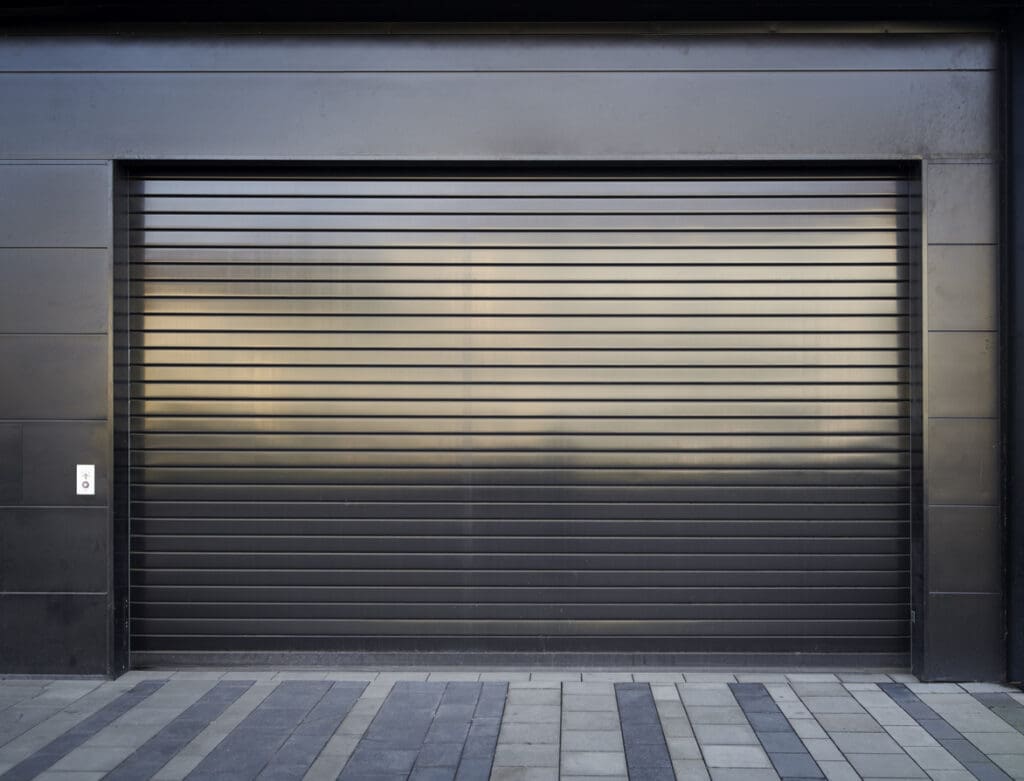
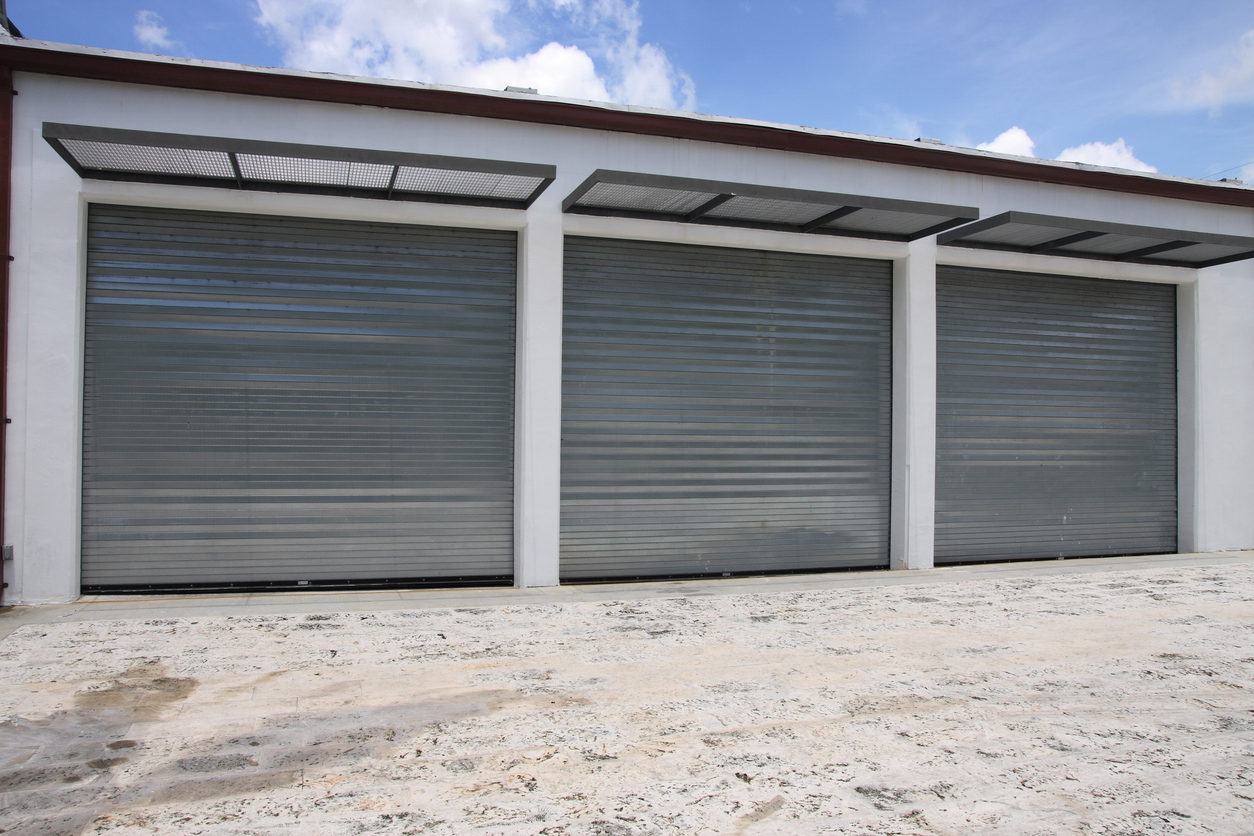
Most fire rated garage doors are sectional or roll-up styles made of steel. Some manufacturers also offer fire rated residential garage doors with decorative finishes or insulated cores. For commercial use, the doors may be integrated with fire alarm systems to close automatically during an emergency.
To ensure code compliance in both residential and commercial buildings, doors must be UL-listed or FM-approved, meaning they have passed rigorous third-party testing.
Construction and Materials

Fire rated garage doors are usually built from heavy-gauge steel or treated aluminum with fire-resistant cores. These may include gypsum, mineral wool, or composite layers that help slow heat transfer.
Other key features include:
- Intumescent seals that expand during heat exposure to block smoke and flames
- Automatic closing systems like fusible links or electromagnetic releases
- Heat-resistant hardware that maintains function during a fire
It’s important to note that all components must be tested and listed together. Mixing parts from different systems can void the fire rating.
Installation & Code Compliance for Residential & Commercial Properties
Installing a fire rated garage door in residential and commercial properties isn’t just about mounting a heavier product. It involves meeting precise requirements for clearance, anchoring, smoke sealing, and automatic operation.
Key requirements include:
- Following manufacturer instructions exactly
- Maintaining proper edge gaps (usually 1/8 to 3/16 inch)
- Ensuring the door closes fully and latches automatically
- Using listed fasteners, tracks, and guides
- Connecting the door to fire alarm systems when required
In most cases, these doors must be installed by certified professionals in both residential and commercial buildings. Building inspectors often require verification that the door assembly meets local code and matches its tested rating.
Maintenance and Inspections
Fire rated garage doors must be inspected and maintained regularly to stay code-compliant.
Recommended maintenance includes:
- Monthly visual checks for damage, alignment, and seal wear
- Annual testing of the closing system, including manual overrides
- Verifying label visibility and ensuring no unauthorized modifications
- Testing any backup power or automatic release systems
If the door fails to close properly or if any components are damaged or missing, it could fail during a fire and result in a failed building inspection.
Commercial Applications of Fire Rated Garage Doors
In commercial settings, fire rated doors are common in hospitals, schools, factories, warehouses, and large retail spaces. Depending on the hazard level, doors may require higher ratings, battery backups, or smart monitoring.
In high-use environments, heavy-duty rated doors are often required to withstand more than 50,000 cycles and still function during an emergency.
Choosing the Right Door
If you’re unsure whether you need a fire rated garage door, consult with a contractor, code official, or fire safety engineer. In general, you’ll need to consider:
- Local building codes and fire ordinances
- Whether the garage is attached or detached
- How close the garage is to living spaces
- Whether the door penetrates a fire-rated wall
- What materials are stored in the garage or adjacent areas
Choosing the right door is about more than just cost. It’s about making sure your building stays safe and compliant.
FAQ: Fire Rated Garage Door
Do I need a fire rated garage door for a detached garage?
Usually not. Fire rated garage doors are typically only required when a garage is attached to a home or connects to interior space in a commercial building. Detached garages rarely require a rated overhead door unless local codes say otherwise.
What is the required fire rating for a residential garage door?
In most cases, the pedestrian door between an attached garage and house must have a 20-minute rating. Overhead garage doors are not usually required to be rated in single-family homes unless they open directly into living space.
How can I tell if my garage fire door is code-compliant?
Look for a visible label showing a UL or FM rating, a stated fire-resistance duration, and the door model. If this label is missing or painted over, the door may not be compliant.
Can I convert my current garage door into a fire rated one?
No. Fire rated garage doors must be manufactured, tested, and listed as complete assemblies. You cannot modify a standard door to achieve a fire rating.
How much does a fire rated garage door cost?
A 20-minute rated residential door may cost $1,000 to $3,000 more than a standard model. High-end commercial fire doors with 3- or 4-hour ratings can exceed $10,000 depending on size and features.
Do fire rated garage doors need to be tested?
Yes. Most jurisdictions require annual testing and inspection to confirm that the door closes automatically and all components are functioning. Records must be kept for code compliance.