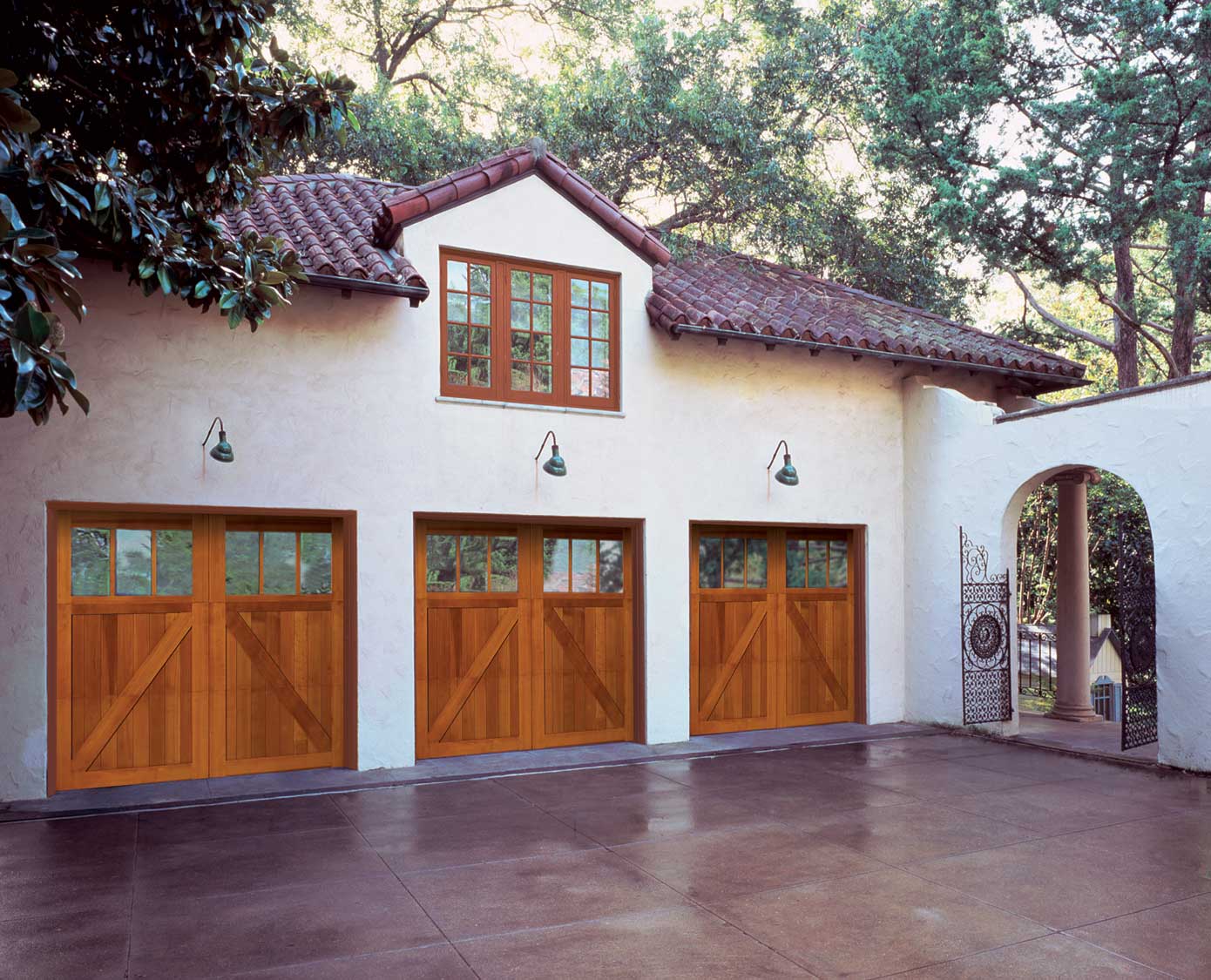


Garage doors aren’t just about access and security — in many buildings, they’re an essential fire protection component. Fire rated garage doors are designed to contain fire and smoke, protecting people, property, and other parts of a structure during an emergency.
If you’re a homeowner with an attached garage, a commercial property manager, or a facility designer, understanding what makes a garage door fire rated is key to ensuring compliance with building codes and improving overall safety.
What Is a Fire Rated Garage Door?
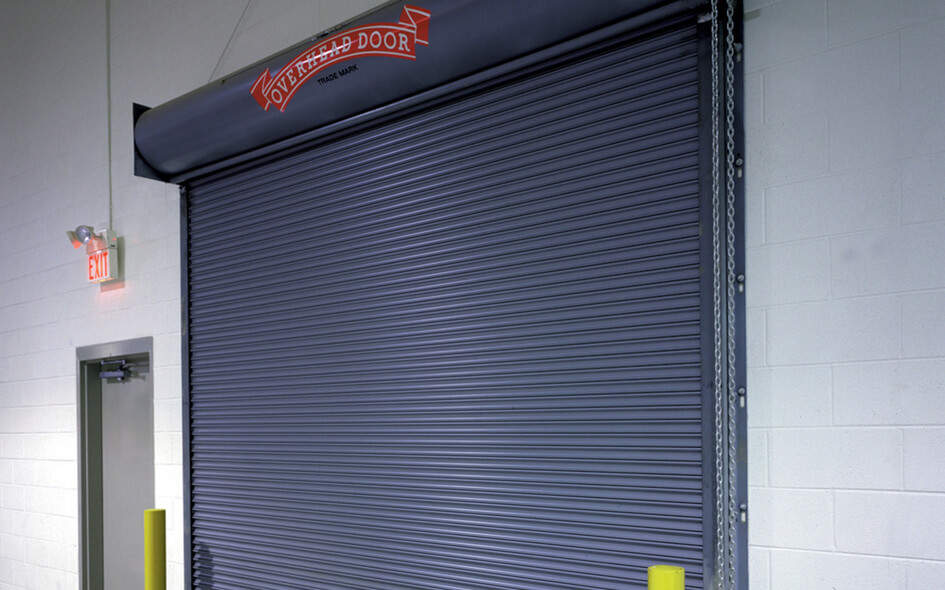
A fire rated garage door is a specially engineered system designed to resist the spread of flames, heat, and smoke for a specific period of time. Unlike standard doors, which are typically made from wood, vinyl, or thin steel, fire rated models are built from durable, heat-resistant materials and are tested to meet strict standards.
These doors are available with ratings that range from 20 minutes to 4 hours, depending on application. During testing, doors are exposed to temperatures nearing 1,925°F and then hit with a pressurized water stream — simulating the conditions during real firefighting operations.
Each fire rated overhead door must be certified as a complete system, including:
- Door panel or curtain (steel or fire-resistant mineral wool)
- Tracks, guides, and frame
- Automatic or self-closing mechanism
- Fire-rated seals and gaskets
- UL or FM fire labeling
- Positive-latching hardware
Installing mismatched components or modifying the door can void the fire rating and render the system non-compliant.
Key Materials Used in Fire Rated Overhead Doors
Steel is the most common material used in fire rated garage door construction. They’re selected for their strength, high heat resistance, and durability under stress. Here’s how each material contributes:
Steel Doors
- Most common for commercial fire rated doors
- Often galvanized or stainless steel
- Usually paired with a fire-resistant core (e.g., gypsum or mineral wool)
- Durable and cost-effective
- Can achieve up to 4-hour ratings
Regardless of material, all fire rated doors feature intumescent seals — gaskets that expand when exposed to heat, sealing the perimeter and preventing smoke from leaking through.
How Commercial Fire Rated Doors Differ from Residential Ones
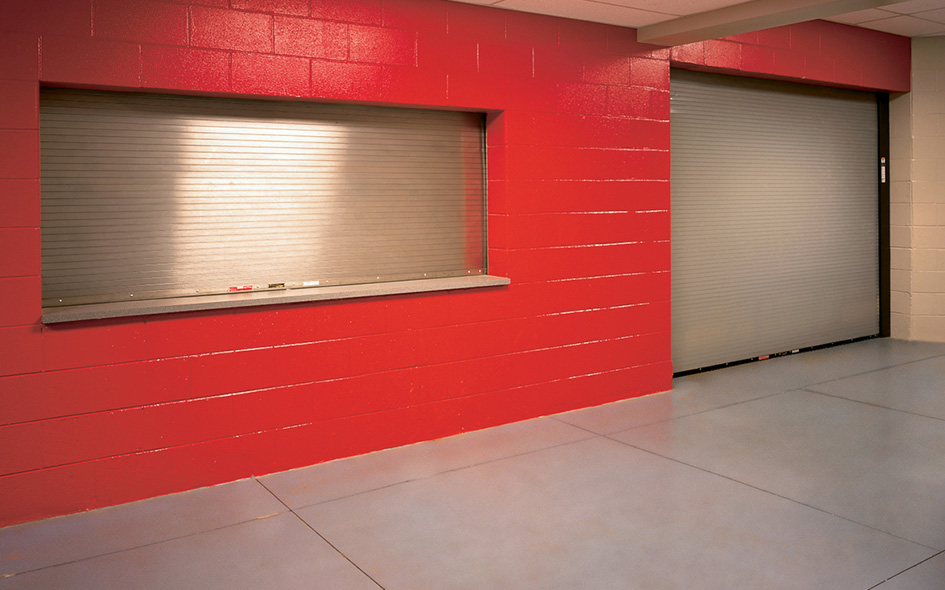
Commercial applications require higher fire ratings and more robust door assemblies. A standard residential fire rated door might only be required to hold for 20 minutes, especially if it separates an attached garage from the main home. But in commercial settings, you may need up to 4 hours of protection — particularly if:
- The garage opens into a fire-rated corridor
- The space is used for hazardous materials or equipment
- It’s part of an egress route or horizontal exit
- The building includes multi-tenant occupancy or mixed-use zoning
Fire rated overhead doors in commercial properties must often meet multiple codes, including the International Building Code (IBC), NFPA 80, and local amendments.
When Are Fire Rated Garage Doors Required?
Building codes specify where and when these doors are mandatory. Here are some of the most common scenarios:
In Residential Buildings:
- Attached garages: A door separating the garage from the living space must be at least 20-minute fire rated.
- If the overhead garage door breaches a fire-rated wall between the garage and home, it too may need a fire rating.
- Detached garages usually do not require fire rated overhead doors unless local codes dictate otherwise.
In Commercial and Industrial Buildings:
- Openings in fire barriers or fire partitions
- Openings in horizontal exits or fire walls
- Service areas or loading docks that connect to interior spaces
- Structures within wildfire zones (per Wildland-Urban Interface Code)
- Buildings with high-hazard processes, like manufacturing or storage of combustibles
Ultimately, the authority having jurisdiction (AHJ) determines if a fire rated door is needed based on the building’s use, risk classification, and layout.
Fire Ratings and Certification Standards
To ensure consistency and reliability, fire rated garage doors are certified by third-party testing organizations. Look for:
- UL-Listed (Underwriters Laboratories)
- FM Approved (Factory Mutual)
- Time-based rating (e.g., 20, 45, 90, 180, or 240 minutes)
Each label confirms the door passed rigorous testing and meets all code requirements for its designated use. It also ensures the entire door assembly — not just individual parts — will perform as intended during a fire.
Importance of Proper Installation
Even the best-rated door will fail if it’s installed improperly. Installation must follow the manufacturer’s specifications and NFPA 80 requirements.
Key considerations include:
- Anchoring the door and frame to the surrounding structure
- Maintaining required clearances (1/8″ ± 1/16″ at edges)
- Ensuring the door fully closes and latches from any position
- Testing automatic or self-closing mechanisms
- Using fire-stopping materials where the door interfaces with electrical or control systems
Many local jurisdictions require final inspection and approval before occupancy is granted.
Maintenance and Inspection Requirements

To remain compliant, fire rated garage doors must be maintained over time. According to NFPA 80, this includes:
- Monthly visual inspections: Check seals, track alignment, labels, and hardware.
- Annual inspections and testing: Conducted by a qualified professional. Must include drop testing of automatic closers and verification of all hardware.
- Documentation: Maintain written records of all inspections for review by code officials.
Other maintenance tasks include lubricating tracks, verifying emergency power systems (for automatic closures), and replacing worn or damaged seals.
If any components are changed or removed, or if the certification label is damaged or painted over, the fire rating is no longer valid. In such cases, the door may need to be recertified or replaced.
Integrating Fire Rated Doors with Modern Building Systems
Today’s metal fire rated doors can be integrated with smart building management systems for real-time monitoring and control. This includes:
- Fire alarm integration (automatic closing upon activation)
- Backup power for operation during outages
- Manual override for emergency personnel
- Position sensors to confirm closure status
These features are especially important in facilities like hospitals, schools, and retail centers, where clear egress and emergency protocols are essential.
Choosing the Right Fire Rated Overhead Door
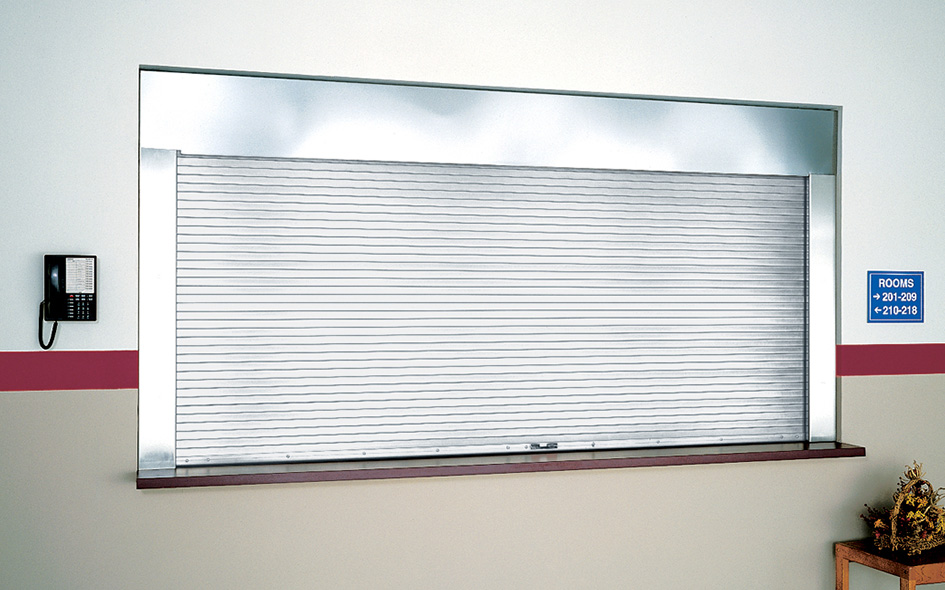
When selecting a door, consider:
- Required rating (determined by the wall or barrier it’s installed in)
- Building use and occupancy type
- Environmental conditions (e.g., exposure to weather, chemicals)
- Aesthetic preferences (particularly for public-facing entrances)
- Budget (fire rated doors cost 2–4x more than standard models)
Stick with well-established manufacturers like Clopay, CornellCookson, or Raynor, and always confirm that the door is certified for your intended use.
Professional installation and regular inspection are not optional — they’re critical to maintaining safety and code compliance.
FAQ About Garage Door Fire Rated
What makes a garage door fire rated?
A garage door is fire rated when it is built with fire-resistant materials and certified as part of a tested assembly that blocks fire and smoke for a specific time period.
Are commercial fire rated doors required in every building?
Not all commercial buildings require them, but they are mandatory in areas where fire barriers or partitions exist. This includes loading docks, shared corridors, and exits.
How long can a fire rated overhead door resist fire?
Typical ratings include 20, 45, 90, and 180 minutes. Some high-risk environments may require 3- or 4-hour ratings.
Can I upgrade my standard garage door to be fire rated?
No. Fire rated doors must be factory-tested as a complete unit. You cannot convert a regular door to a fire rated one by adding insulation or seals.
How often do fire rated garage doors need to be inspected?
Monthly visual checks and annual professional inspections are required. All inspections should be documented to remain in compliance with NFPA 80.