
Wisconsin summers do not stay in one lane. A humid, 85-degree afternoon can turn into a cool, damp evening within a few hours, and that swing repeats itself for months. Most homeowners plan for winter when they think about garage door durability, picturing ice and sub-zero cold. Summer humidity gets far less attention, but it works on a garage door just as steadily, swelling wood, condensing on cold metal, and softening seals over years of exposure.
Fiberglass garage door durability comes down to one basic fact: fiberglass does not absorb moisture the way wood does, and it does not rust the way steel can. For homeowners in Madison and across Dane County, that difference shows up as fewer warped panels, less peeling paint, and a door that still opens and closes smoothly a decade or two after installation. This guide explains why humidity is harder on garage doors than most people realize, how fiberglass compares to wood and steel over time, and what to know before choosing a fiberglass door for a Wisconsin home.
Wisconsin Summers Are Harder on Garage Doors Than People Realize
A garage is usually the least conditioned space attached to a house. It heats up during the day, cools at night, and rarely has the airflow or climate control that keeps humidity in check the way the rest of the home does. That combination of heat and moisture is exactly the environment that causes long-term wear on garage door materials.
Dane County summers regularly combine high temperatures with high dew points, especially in July and August. On a humid morning, condensation can form on any surface that is cooler than the surrounding air, including the inside face of a garage door. Over a single summer, this is barely noticeable. Over ten or fifteen summers, it is often the difference between a door that still looks new and one that needs panel replacement or a full teardown.
What Long-Term Humidity Exposure Does to Different Garage Door Materials
Not every garage door material responds to Wisconsin humidity the same way. Understanding how wood, steel, and fiberglass each hold up gives homeowners a clearer picture of what they are actually buying.
Wood Doors and Moisture
Wood is a natural material, and natural materials move with moisture. In a humid climate, wood garage doors absorb water vapor through their surface, which causes the panels to swell slightly. When the air dries out, the wood contracts again. Repeated cycles of swelling and contracting eventually lead to warping, cracked seams, and joints that no longer sit flush. Left unfinished or under-maintained, wood is also vulnerable to rot, especially at the bottom panel where it sits closest to moisture from rain, snowmelt, and ground splash. Keeping a wood door looking and performing well in Wisconsin usually means refinishing it every few years.
Steel Doors and Rust
Steel garage doors are a dependable, widely used option, and a well-coated steel door can perform for many years. The vulnerability shows up once the protective coating is compromised. A small scratch, a chip from a dropped tool, or a ding from a bike handlebar exposes bare metal, and in a humid climate, that exposed spot starts to rust much faster than it would in a dry one. Rust tends to start at panel seams, screw holes, and the bottom edge, the same places that see the most moisture contact. Once rust starts, it spreads under the paint layer, which is why a small chip left untreated for a season can turn into a larger repair.
Fiberglass and Moisture
Fiberglass behaves differently from both. It is a manufactured composite material, typically layered over a lightweight frame, and it simply does not absorb water the way wood does. There is no organic material to swell, no grain to soak up moisture, and no wood fibers to rot. Because fiberglass is also non-metallic, it does not rust or corrode, regardless of how many humid summers it goes through. A fiberglass panel that goes through fifteen Wisconsin summers should measure the same and sit the same as it did on day one.
Why Fiberglass Garage Door Durability Stands Out in Humid Conditions
The moisture resistance built into fiberglass translates into a few practical advantages for homeowners.
Dimensional stability. Because fiberglass does not swell or shrink with humidity, panels continue to fit their tracks and hardware correctly year after year. That matters for how smoothly the door operates, not just how it looks. A door that fits its tracks properly puts less strain on the opener and springs.
No rust, ever. Fiberglass has no metal surface to corrode, which removes an entire category of maintenance and repair calls that come with steel doors in humid climates.
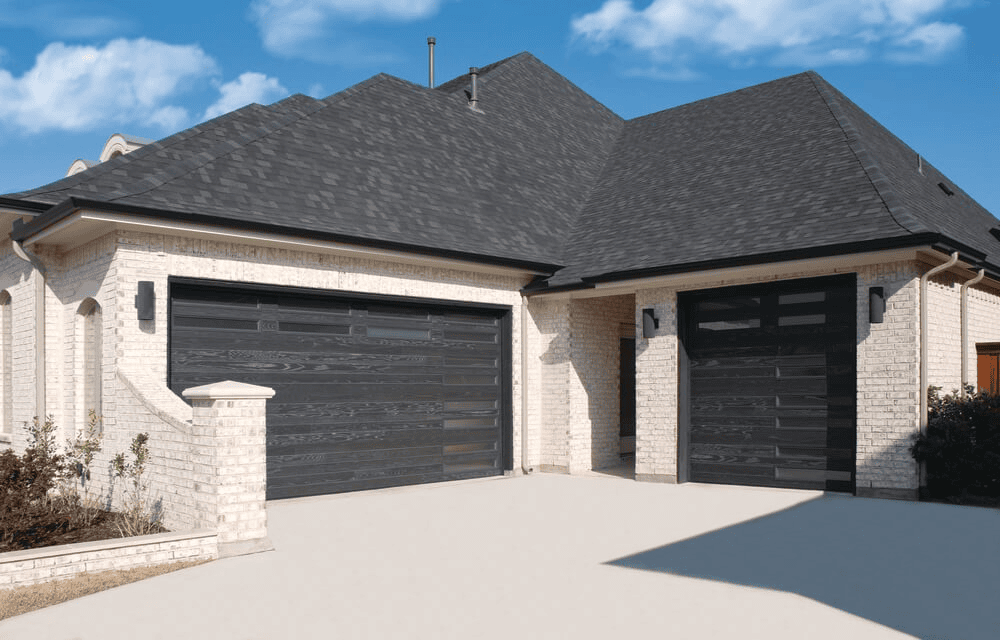
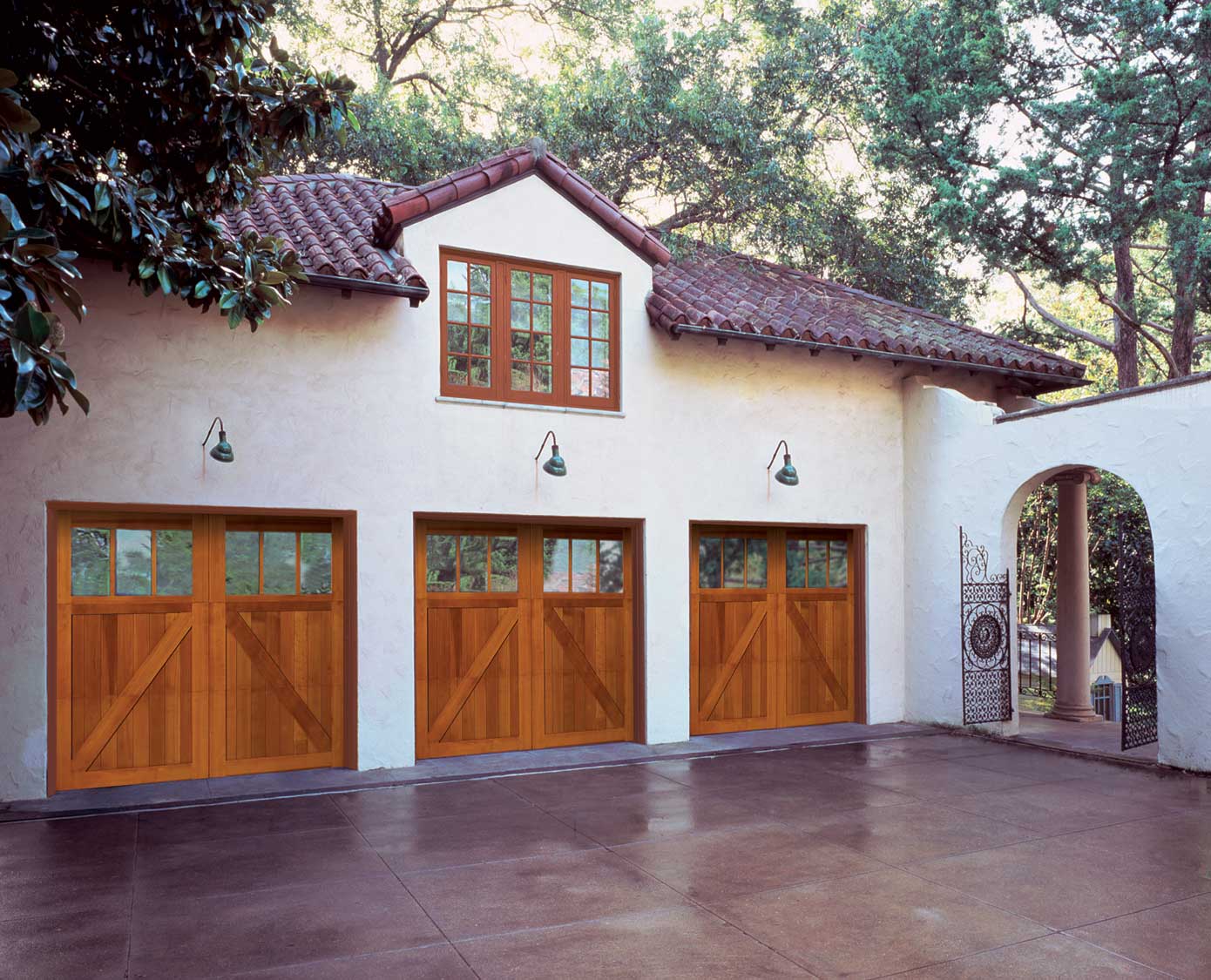
Wood-look style without wood-level upkeep. Many fiberglass doors, including options in the Impression Fiberglass Collection, are designed to replicate the look of stained wood grain. Homeowners who want that traditional curb appeal can get it without the recurring maintenance a real wood door demands in a humid climate.
Consistent performance over decades. Because the material itself is stable, a fiberglass door tends to look and function close to its original condition well into its second decade of use, provided it has not taken a hard impact.
The One Tradeoff Worth Knowing About
Fiberglass is not without limitations, and homeowners deserve the full picture rather than a sales pitch. Fiberglass can become more brittle in very cold temperatures, and a hard impact, such as a car bumper or a wind-driven branch, is more likely to crack a fiberglass panel than dent a steel one. Since Wisconsin winters bring genuinely cold stretches, this is a real consideration, not a minor footnote.
In practice, this tradeoff is manageable. Quality fiberglass doors are engineered with impact resistance in mind, and proper installation, including correctly adjusted hardware and a well-sealed frame, reduces the everyday bumps that lead to cracking. For most residential garages, where the door is not exposed to regular vehicle contact, the humidity resistance a fiberglass door offers over its lifetime outweighs the cold-weather impact risk. Homeowners who park tightly in a narrow garage, or who have young drivers still learning to judge clearance, may want to weigh that risk more carefully and talk through options with an installer before deciding.
How to Choose the Right Fiberglass Door for a Madison Home
A few factors matter more than style alone when selecting a fiberglass garage door built to last through Wisconsin’s mix of humid summers and cold winters.
Frame and core construction. Look at what sits behind the fiberglass skin. A door built over a steel frame with insulated core panels combines the moisture resistance of fiberglass with better energy performance and structural rigidity.
Insulation level. An attached garage benefits from an insulated fiberglass door, both for energy efficiency and for reducing the interior condensation that contributes to long-term wear on any door material.
Finish and hardware. Wood-grain finishes vary in how well they hold color over time. Ask about UV-resistant finishes, since fading is a more common long-term issue for fiberglass than moisture damage is.
Professional installation. A door hung and adjusted correctly puts less stress on panels and hinges, which reduces the everyday wear that can eventually lead to a crack. This is one area where it is worth working with an experienced local installer rather than a big-box crew.
Homeowners who want to see fiberglass styles in person can browse the residential garage door lineup or look specifically at the Impression Fiberglass Collection to compare finishes and panel styles.
Keeping a Fiberglass Garage Door Performing for Decades
Fiberglass requires less upkeep than wood or steel, but “low maintenance” does not mean “no maintenance.” A short annual routine keeps a fiberglass door performing the way it is designed to.
Rinse the panels occasionally to keep dirt and pollen from dulling the finish, the same way a homeowner would care for a fiberglass boat hull or shower surround. Inspect weatherstripping each spring, since worn seals let humid outside air reach the garage interior more directly. Have hardware, springs, and the opener checked periodically, since those components wear on their own schedule regardless of what the door panels are made of. A maintenance program covers all of this on a set schedule, so small issues get caught before they turn into a bigger repair.
Working With a Local, Factory-Authorized Dealer
Overhead Door™ invented the upward-acting garage door back in 1921, and the company has been part of the Madison community since 1959. Overhead Door Company of Madison is a factory-authorized dealer, which means the fiberglass doors installed carry the manufacturer’s backing and warranty support that comes with the original Overhead Door brand.
That local, factory-backed approach also means a fully stocked service fleet and technicians who understand how Wisconsin’s climate specifically affects different door materials, whether the job is a new fiberglass installation, a repair on an existing door, or a maintenance visit for a commercial property. Most service calls are completed in a single visit. Homeowners weighing a fiberglass door against other materials, or comparing overall garage door installation costs, are welcome to reach out for a straightforward assessment of what fits their home and their budget expectations.
FAQs About Fiberglass Garage Door Durability
Are fiberglass garage doors good for humid climates like Wisconsin’s?
Yes. Fiberglass does not absorb moisture the way wood does and does not rust the way steel can, which makes it one of the more stable garage door materials for Wisconsin’s humid summers and wide seasonal temperature swings.
Do fiberglass garage doors rust or rot?
No. Fiberglass is a non-metallic composite material, so it cannot rust, and it contains no organic wood fibers, so it cannot rot the way an untreated or under-maintained wood door can.
How long do fiberglass garage doors typically last?
A well-built and properly installed fiberglass garage door commonly lasts twenty to thirty years, with performance that stays close to its original condition throughout that span since the material itself does not swell, warp, or corrode with age.
Can fiberglass garage doors crack in cold weather?
Fiberglass can become more brittle at very low temperatures, which makes it somewhat more susceptible to cracking from a hard impact during a Wisconsin winter compared to steel. Quality construction, correct installation, and normal care keep this risk low for most residential garages.
Is a fiberglass garage door a good choice for a Madison, Wisconsin home?
For homeowners who want a low-maintenance door that resists the humidity-related wear common in Wisconsin summers, fiberglass is a strong option, particularly for those who also like the look of stained wood without the recurring upkeep it requires.
Does Overhead Door Company of Madison install fiberglass garage doors?
Yes. Overhead Door Company of Madison installs and services fiberglass garage doors, including options from the Impression Fiberglass Collection, for homeowners throughout Madison and Dane County, backed by factory authorization and local service since 1959.