
Asking what a garage door costs is a little like asking what a car costs. The honest answer is “it depends,” but that answer is useless if you’re trying to plan a budget. So instead of dodging the question, this guide breaks down what actually goes into garage door installation cost, the pricing tiers most homeowners choose between, and how to evaluate a quote so you can make a confident decision.
If you’re starting to plan a garage door replacement, this is the kind of grounded information that helps you have a real conversation with a contractor instead of getting blindsided at the estimate.
What Goes Into Garage Door Installation Cost
Most homeowners hear one number and assume that’s “the price of a garage door.” In reality, your installation quote is a stack of separate costs, and understanding them is the difference between feeling confident about your investment and feeling like you got upsold.
The Door Itself
The biggest single cost is the door panel system. The price ranges widely based on a few factors.
Material. Steel is the most common and the most affordable. Insulated steel costs more upfront but pays back through energy savings. Wood and wood-composite doors cost more and require more maintenance. Aluminum and full-view glass doors carry a premium for the modern look.
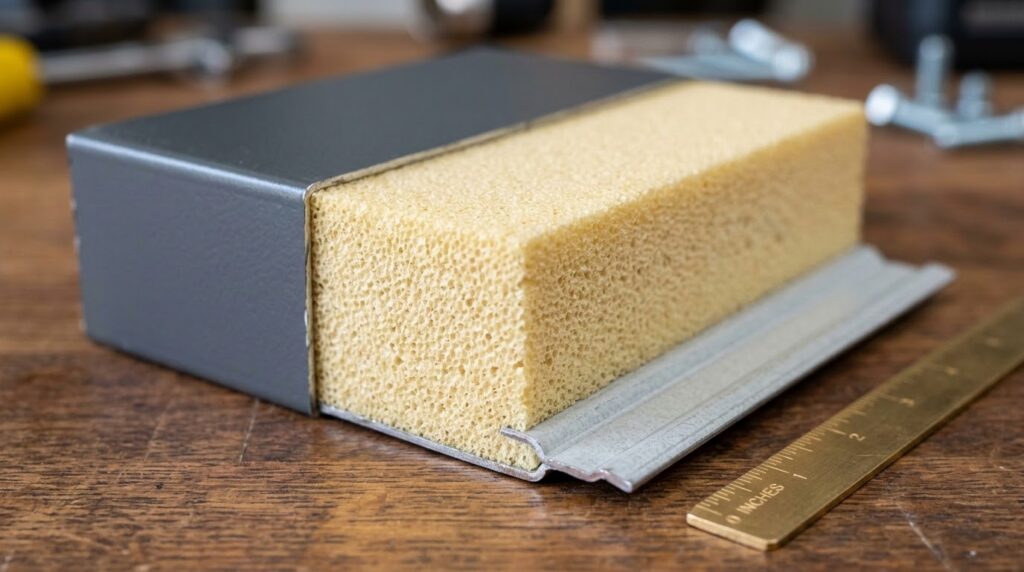
Insulation. A non-insulated door is the cheapest option. Single-layer insulation is mid-range. Triple-layer doors with polyurethane insulation cost more but deliver R-values of 17 or higher, which matters in a Wisconsin winter.
Size. A standard single-car door (8 or 9 feet wide) is the baseline. A standard two-car door (16 feet) is more expensive but only by a modest amount. Custom sizes and oversized commercial-style doors cost considerably more.
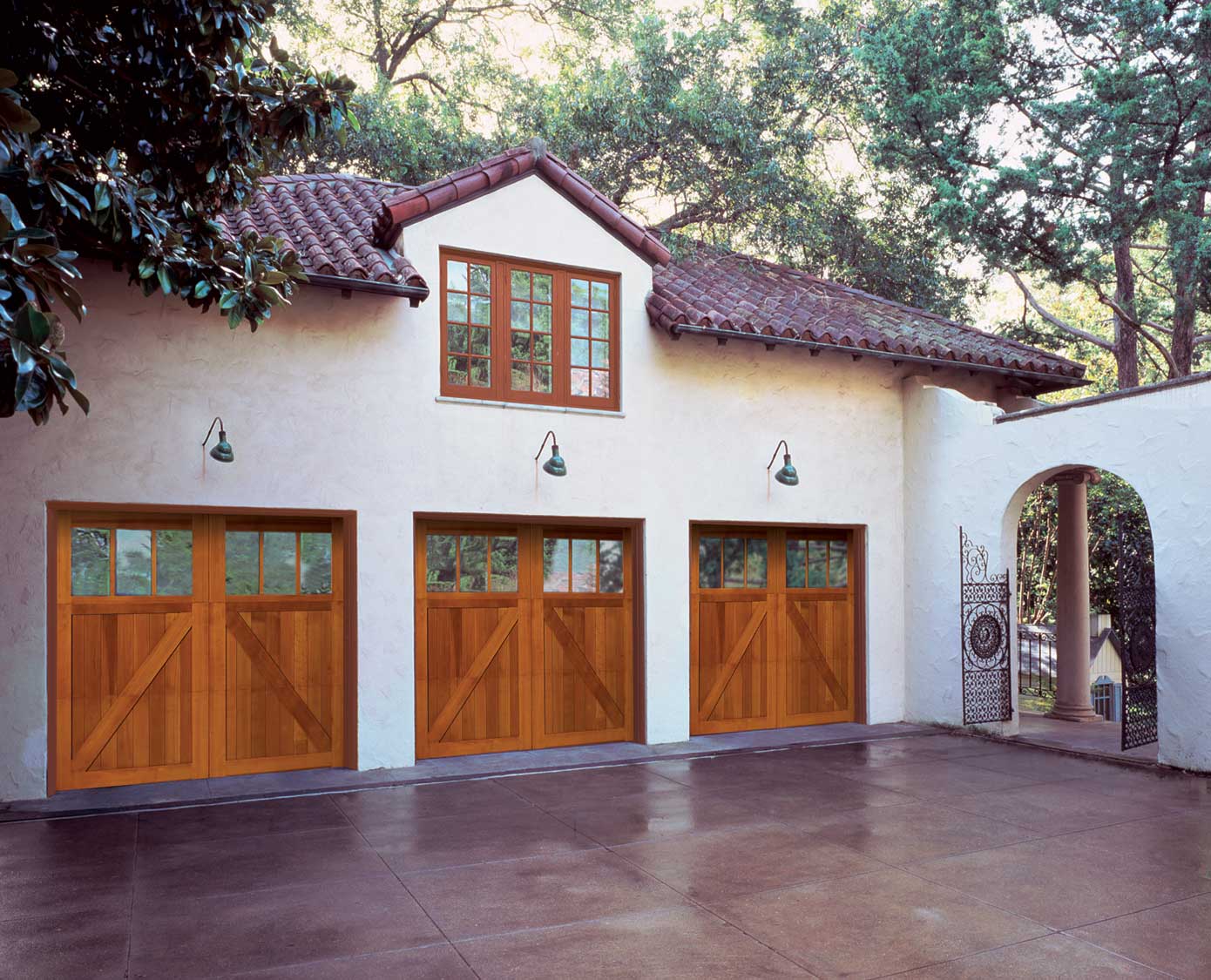
Style and design. A flush, plain-panel door is the most affordable. Carriage-house styles, decorative hardware, and window inserts add cost. Custom paint or stained finishes add more.
The Opener
If you’re replacing your door, it usually makes sense to replace your opener at the same time, especially if the existing one is more than ten years old. A solid mid-range opener is a few hundred dollars. Smart openers with WiFi connectivity, battery backup, and camera integration cost more, but they add real value if you’re going to live with the door for the next 15 years.
Hardware and Accessories
Tracks, springs, rollers, hinges, and weatherstripping all come with a new door. These are usually bundled into the installation price, but it’s worth knowing they’re there. Higher-end installations use heavier-gauge tracks and longer-life torsion springs that hold up better over time.
Installation Labor
Professional installation typically runs a few hundred dollars on top of the door and opener. This covers removal of the old door, hauling, installation of the new system, spring tension setup, opener programming, and a final operational test.
Removal and Disposal
Some quotes include this, some don’t. Always ask. Disposing of an old garage door is not free.
Garage Door Installation Cost Tiers: What You’re Actually Paying For

Garage door pricing covers a wide range, and where your project lands depends on the choices you make about door size, material, insulation, design, and opener. Rather than publish ballpark dollar figures that may not reflect your specific situation, here’s how to think about the tiers and what differentiates them.
Entry Tier: Standard, Non-Insulated Steel
This is the most affordable starting point. A single-layer, non-insulated steel door in a standard size is the workhorse of detached garages, sheds, and outbuildings where insulation isn’t a priority. You get a functional door with a clean look, but you’re forgoing the energy efficiency, sound reduction, and structural rigidity that come with insulated construction.
Best fit: detached garages, outbuildings, rental properties, and budget-conscious replacements where the garage isn’t conditioned.
Mid Tier: Insulated Steel, Standard Design
This is where most Madison homeowners land for an attached garage. A two-layer or three-layer insulated steel door with a standard panel style gives you meaningful R-value, better sound dampening, and a sturdier door overall. The insulation premium is real, but for a Wisconsin home with an attached garage, it usually pays back through reduced heat loss and a more comfortable house.
Best fit: attached garages, primary residences, and homeowners who want a long-term door without paying for premium aesthetics.
Upper-Mid Tier: Premium Insulated Steel with Design Upgrades
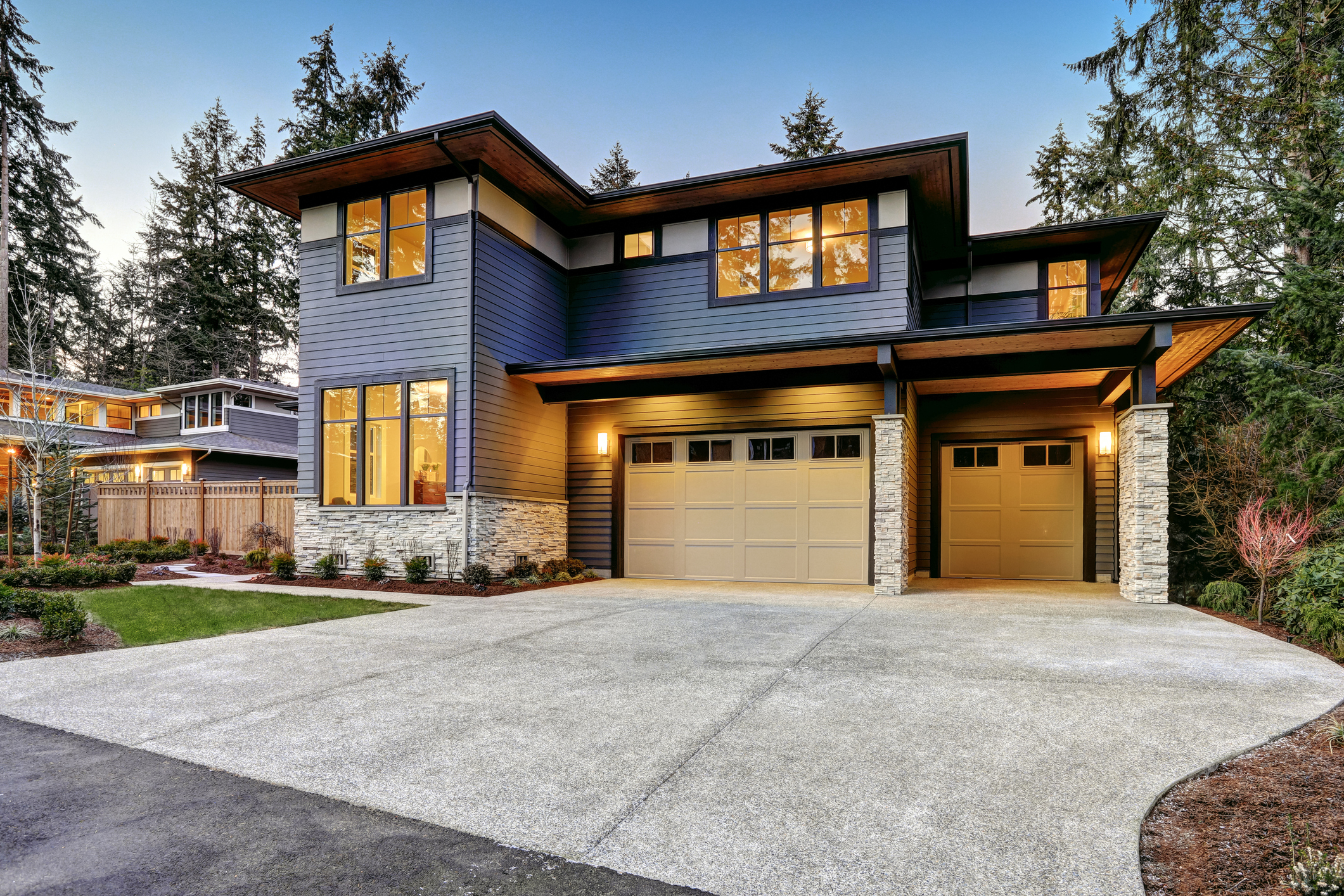
Stepping up from a standard insulated door usually means adding things like higher R-value polyurethane insulation, decorative panel styles such as carriage-house or contemporary, window inserts, and upgraded hardware. The door itself does the same job as a mid-tier door, but it does it with more curb appeal and often with better long-term durability.
Best fit: visible front-of-house garages where curb appeal matters, attached garages in cold climates, and homeowners planning to stay in the home long-term.
Premium Tier: Specialty Materials and Custom Construction
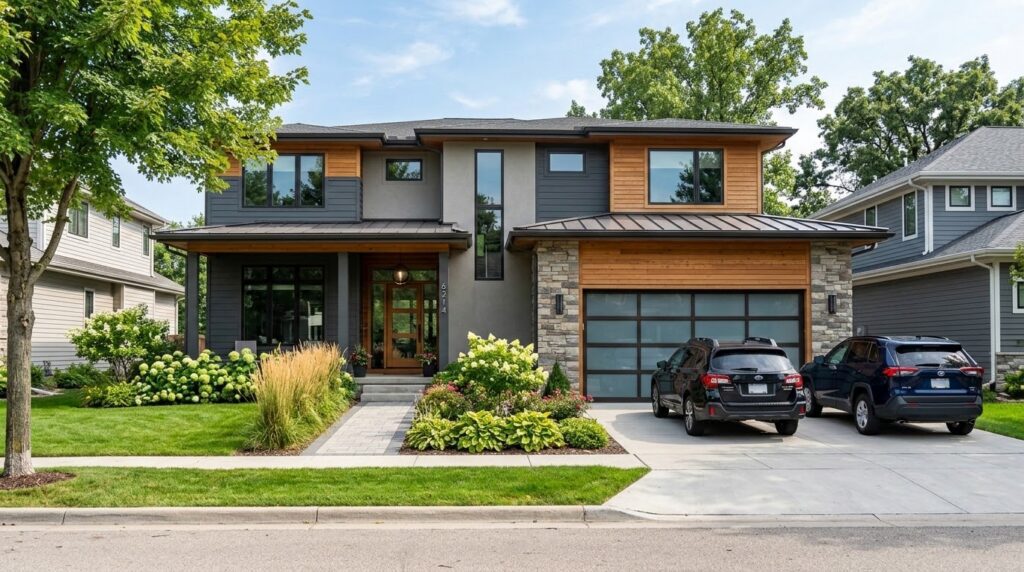
Wood and wood-composite doors, full-view aluminum and glass doors, oversized custom doors, and fully customized carriage-house construction all sit in this tier. The price reflects the materials, the labor, and in many cases the lead time for custom fabrication. These doors are often a defining design element of the home.
Best fit: architecturally significant homes, contemporary or modern designs, and projects where the door is a primary visual element of the exterior.
The Opener Adds a Separate Layer
Whatever tier of door you choose, the opener is a separate decision. A basic chain-drive opener gets the job done. A mid-range belt-drive opener is quieter and better suited to attached garages. A premium smart opener with WiFi connectivity, battery backup, and integrated camera adds real day-to-day convenience and security. Smart openers like the OHD Anywhere-enabled models let you operate and monitor your door from anywhere.
Why a Real Estimate Beats a Range
The honest reason this guide doesn’t list specific dollar amounts is that ranges from national averages or remodeling reports rarely match what a project actually costs in the Madison area. Local labor rates, the specific door lines we install, the condition of your existing framing, and the hardware tier you choose all change the number. A 20-minute site visit gives you a real, written estimate with line items you can actually evaluate, instead of a guess based on someone else’s house.
If you want a real number for your home, the next step is a free in-home consultation. We measure the opening, look at the existing framing and hardware, walk you through door options that fit your home and budget, and give you a written estimate before you commit to anything.
Why Garage Door Replacement Cost Is Worth It

It’s tempting to look at a $3,000 estimate and think about repair instead. Sometimes repair is the right call, but a new garage door is one of the highest-return home improvements available.
The numbers back this up. National remodeling cost-versus-value reports consistently rank garage door replacement near the top for ROI, often recovering 90 percent or more of its cost in resale value. That’s a higher return than most kitchen or bathroom projects.
There are also non-financial reasons. A new insulated door reduces drafts and noise. A modern opener with smart features adds convenience. A failing door that gets fixed and refixed is a slow drain of repair calls, missed mornings, and stress that adds up over the years.
Garage Door Repair vs. Replacement: When the Numbers Tip
If your door is less than 10 years old and the issue is a single broken component (a spring, a cable, a roller), repair is almost always the right move. These repairs are a fraction of replacement cost and your door has plenty of life left.
Replacement starts to make sense when you’re seeing several of these at once. The door is more than 15 to 20 years old. You’ve had multiple service calls in the last year or two. The panels are dented, rusting, or showing rot. The door is non-insulated and the garage is attached to your living space. The opener is on its second or third repair.
A trustworthy contractor will tell you when repair is the smarter call. If a company always pushes replacement, that’s a signal to get a second opinion.
Variables That Move the Price
Insulation and R-Value
In Madison, this matters. An insulated door for an attached garage will reduce heat loss, cut down on drafts in adjacent rooms, and lower the strain on your home’s heating system. The cost premium is real, but for an attached garage in Wisconsin, it usually pays back.
Window Inserts
Adding a row of windows to a garage door costs more, but it transforms the front of the house. If curb appeal matters to you, this is one of the highest-impact upgrades.
Hardware Upgrades
Decorative handles, hinges, and faux-iron straps add cost but elevate the look of a flush steel door into something that feels custom. Worth considering if you want a carriage-house aesthetic without paying for actual carriage-house construction.
Smart Openers
WiFi-enabled openers with smartphone control, integrated cameras, and battery backup are now standard at the higher end. The OHD Anywhere app, available on Overhead Door openers, lets you monitor and operate your door from anywhere. For a door you’ll use every day for 15 years, the cost of a smart opener works out to pennies per use.
Structural Work
Most replacements are direct swaps. But if your old door was an unusual size, if the framing is rotted or out of square, or if you’re changing from a single to a double opening, expect additional cost for carpentry. A site visit is the only way to know.
How to Evaluate a Garage Door Installation Quote
A solid quote should be clear about each line item. When you’re comparing estimates, look for these things.
Door specs in writing. Brand, model, gauge of steel, insulation type and R-value. “Insulated steel door” is not a spec.
Hardware quality. Track gauge, spring cycle rating and roller type.
Warranty terms. Door warranty, hardware warranty, opener warranty, and labor warranty are usually separate. Read each one.
Removal and disposal. Confirmed in the quote, not assumed.
Installation timeline. A reputable contractor can give you a realistic install date. Anything more than a few weeks out for a stock door size is a red flag.
FAQs About Garage Door Installation Cost
How much does a new garage door installation cost?
Garage door installation cost varies widely based on the door size, material, insulation level, design, and opener you choose. A non-insulated steel door for a detached garage sits at the entry tier. A mid-grade insulated steel door for an attached two-car garage is the most common range for Madison homeowners. Custom carriage-house, full-view glass, and wood doors run highest. The most accurate way to get a real number for your home is a free in-home consultation and written estimate.
How durable are modern fiberglass garage doors?
Fiberglass is durable under most conditions, but can become brittle in extreme cold. Premium fiberglass products handle Wisconsin winters better than budget options. Fiberglass also dents and dings more easily than steel, but is generally easier to repair than aluminum.
How long does a garage door installation take?
A standard residential garage door replacement typically takes four to six hours. Removal of the old door, installation of the new system, spring tension setup, opener installation, and final testing all happen in a single visit. More complex jobs that involve framing repair or non-standard sizes may take a full day.
Is it cheaper to repair or replace a garage door?
Repair is almost always cheaper in the short term. A typical repair is a fraction of replacement cost. Replacement makes more financial sense when your door is more than 15 to 20 years old, has had multiple repairs in the last two years, or has structural damage. A trustworthy contractor will tell you when repair is the smarter call.
How long does a garage door last?
A well-installed and well-maintained garage door can last 20 to 30 years. Springs and openers are the components that wear out first, with springs typically rated for 7 to 10 years of normal use and openers lasting 10 to 15 years. The door panels themselves often outlast multiple sets of hardware.
What size garage door do I need?
Standard residential single-car doors are 8 or 9 feet wide by 7 feet tall. Standard two-car doors are 16 feet wide by 7 feet tall. Some homes have 8-foot-tall openings to accommodate larger vehicles. If you’re replacing an existing door, the simplest approach is to match the current size unless you’re also doing structural work.
Does Overhead Door Company of Madison offer free estimates?
Yes. We provide free in-home consultations and written estimates for new garage door installations throughout the Madison area. A site visit lets us measure accurately, confirm what hardware you need, and give you a real number rather than a ballpark.
If you’re planning a garage door replacement in Madison or anywhere in Dane County, Overhead Door Company of Madison can walk you through your options, give you a transparent estimate, and handle the install. As a factory-authorized Overhead Door™ dealer serving the Madison area since 1959, we’re backed by the original Overhead Door brand and stocked to complete most installations on schedule. Call (608) 271-4288 to schedule a consultation.Overhead Door Company of Madison carries a range of modern residential garage doors, including aluminum and fiberglass options. If you’re exploring contemporary door designs for a home in Madison, Middleton, Verona, or anywhere in Dane County, contact us to see current products and get an estimate.