
Key Takeaways
- Impact-rated garage door glass is glazing tested to resist wind-borne debris strikes, not just wind pressure. It is an optional upgrade, not a requirement under Wisconsin building codes.
- The main benefits include debris resistance during severe storms, improved safety from held-together glass fragments, more natural light in your garage, and stronger curb appeal for Madison-area homes and businesses.
- Impact-rated glass options are available in several finishes and styles, from full-view modern design panels to traditional raised-panel window inserts.
- Overhead Door Company of Madison offers wind-load-tested door systems in wood, steel, and premium insulated options with impact-rated glass, as described in the “Designed to Protect Your Family and Property” section of the company’s homepage.

What Is Impact-Rated Garage Door Glass?
Impact-rated garage door glass is glazing that has been tested and certified to hold up against flying debris propelled by high winds, not just strong wind pressure alone. It gives your garage door an extra layer of protection that standard glass does not provide.
According to DASMA (the Door and Access Systems Manufacturers Association), the industry association for garage door manufacturers, “glazing” refers to any glass or transparent panel used in a garage door section, including windows and plastic panels in both residential and commercial overhead doors. Impact-rated glass is designed with a durable interlayer sandwiched between strong glass panes. If the outer layer cracks on impact, the interlayer in laminated glass holds fragments together upon impact, helping keep the opening covered and reducing the chance of dangerous shards entering the garage.
Impact-rated garage door glass options primarily feature laminated glass and polycarbonate. Here is how the main types compare:
- Standard tempered glass breaks into small, rounded pieces rather than sharp shards. It is considered safety glazing, but tempered glass is not automatically impact-rated for hurricane debris without additional protection. It can still fall out of the frame when struck hard enough.
- Laminated / impact-rated glass uses a plastic interlayer between two panes. When cracked, the glass tends to stay attached to that inner layer. Using laminated impact glass in garage doors provides hurricane and debris resistance. Multi-layer laminates are designed to resist tearing and maintain integrity under wind conditions.
- Non-glass glazing options such as polycarbonate or acrylic are lightweight and highly impact resistant. They may scratch or yellow over time, but they offer strong impact resistance in areas exposed to wind-borne debris.
Impact rating involves specific debris-impact tests, which are separate from the static or cyclic wind pressure tests used to rate a door’s wind load performance. A garage door can be wind-load rated without its glass being impact rated, and vice versa.
Types of Impact-Rated Garage Door Glass Options
Impact-rated glass is available across a range of garage door styles. Understanding the main options will help you match the right glass and door combination to your property and priorities.
Full-View Aluminum Garage Doors with Impact-Rated Glass
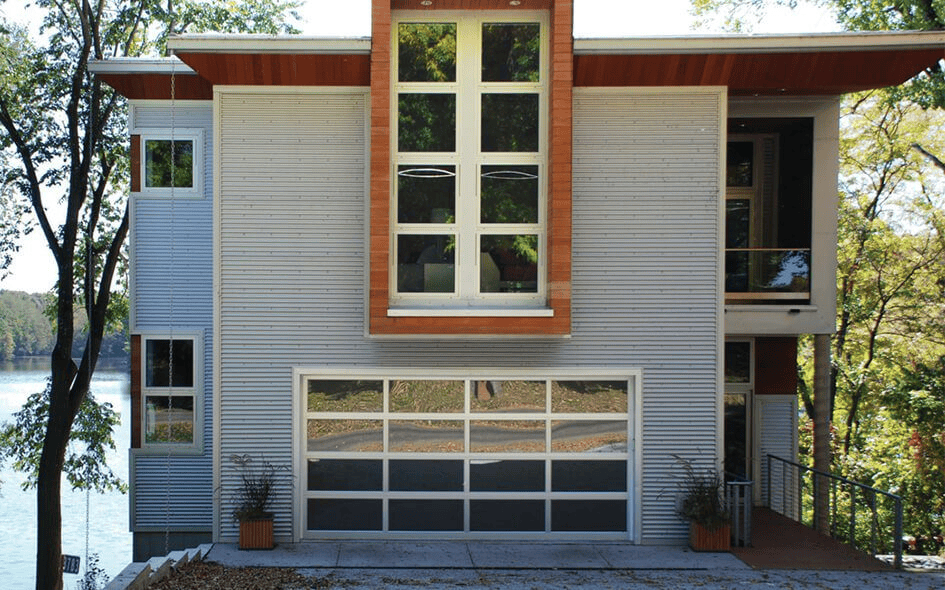
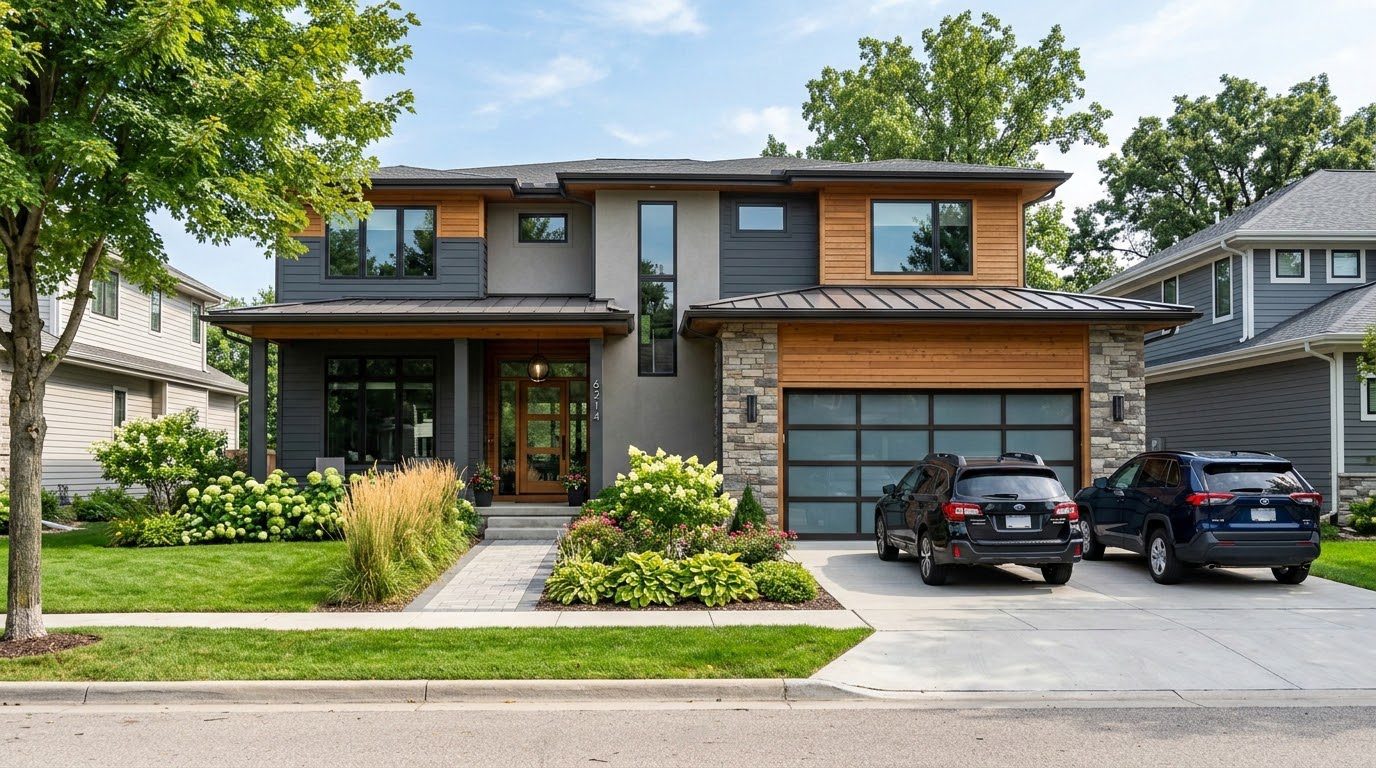
Full-view aluminum glass garage doors feature large glass panels set in slim aluminum frames, creating a sleek design with maximum visibility and natural light. They are a popular choice for Madison-area homes with modern architecture, enclosed patios, home workshops, and commercial storefronts such as auto dealerships, restaurants, and showrooms. Modern Steel™ doors offer a minimalist look for contemporary homes. Impact glass garage doors in this style can be paired with wind-load-tested framing to create a stronger overall system. Customizable glazing options are available for aluminum garage doors, so you can choose clear, tinted, frosted, or specialty finishes.
Traditional Steel Garage Doors with Impact-Rated Glass Inserts
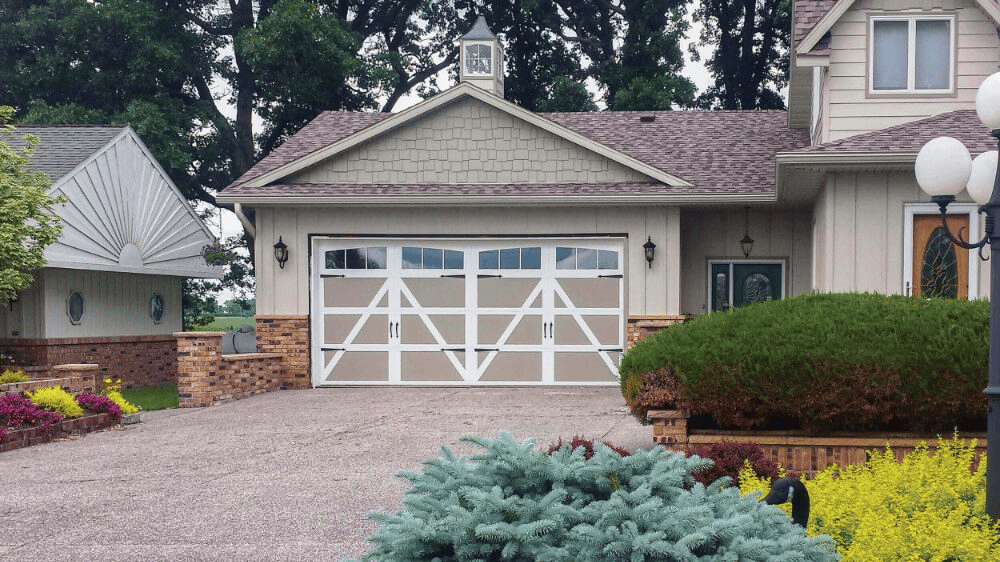
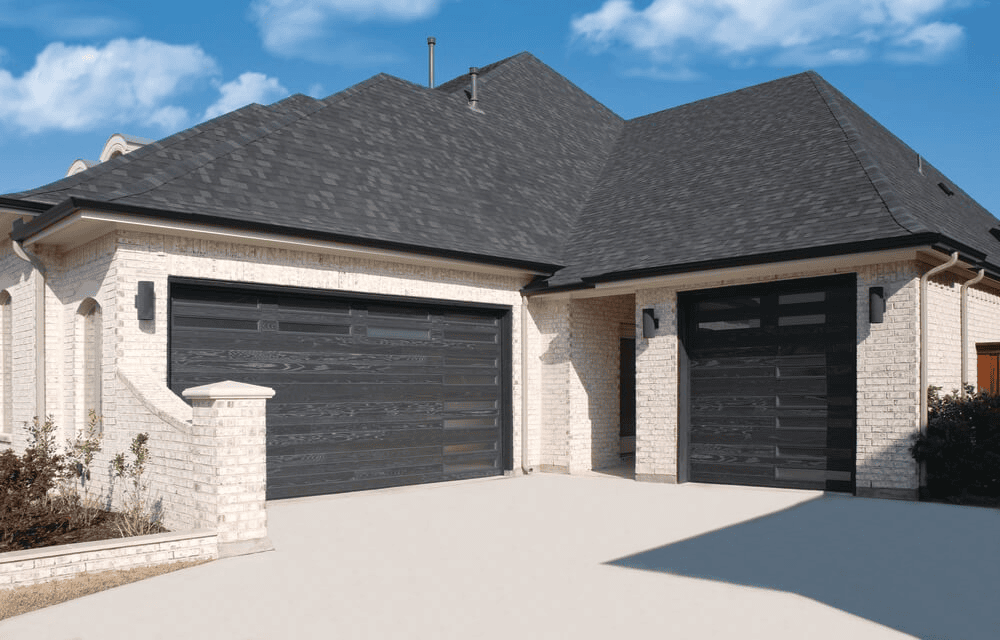
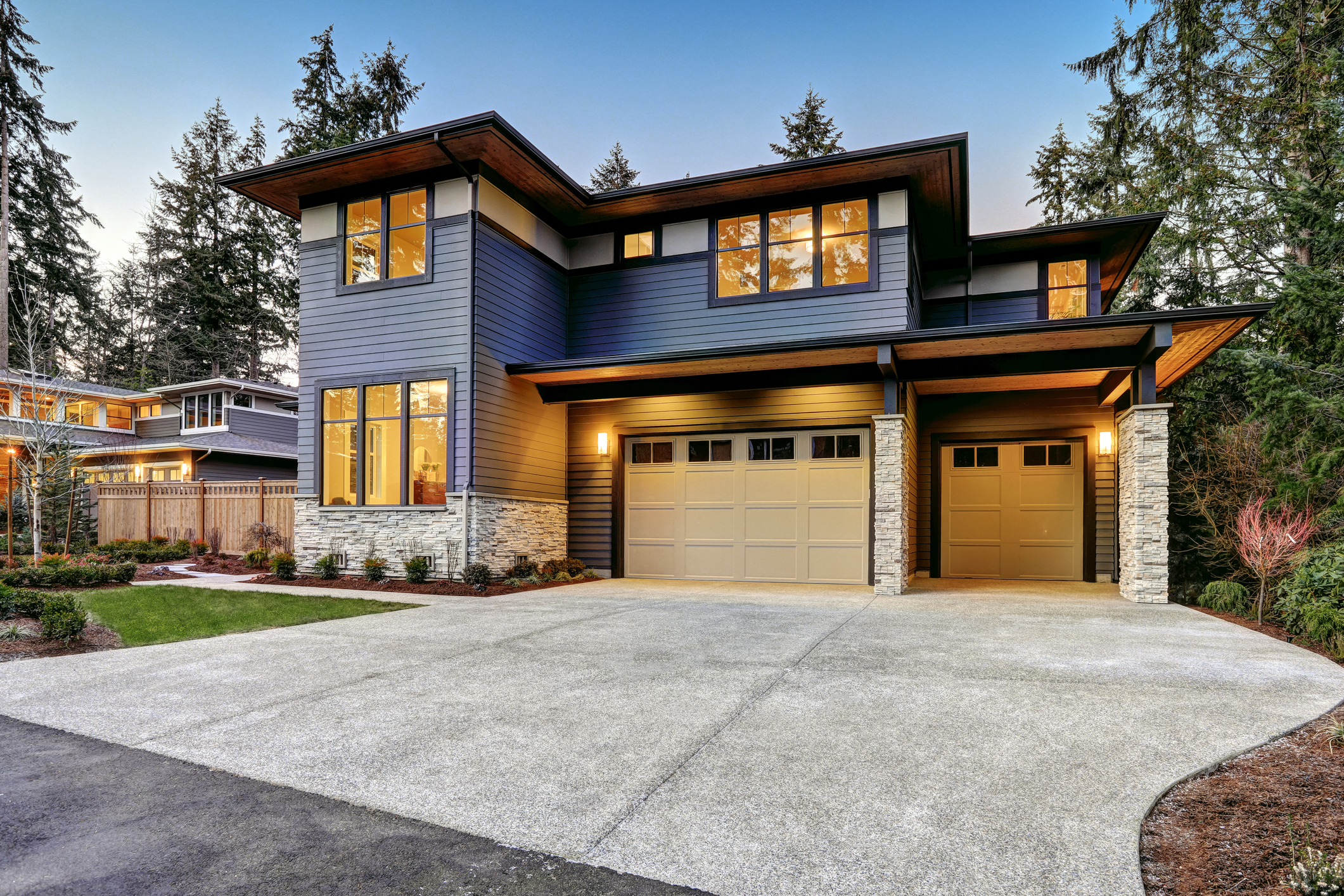
Classic raised-panel or carriage-house steel doors with small window sections at the top are the most common residential garage door style. These doors suit homeowners who want traditional curb appeal with the added protection of impact-rated glass inserts. Canyon Ridge® doors mimic wood aesthetics with low-maintenance steel. Pairing these inserts with an insulated Thermacore® door improves energy efficiency during Wisconsin winters. Keep in mind that only the glass sections carry the impact rating. If you want a fully reinforced garage door, the door itself should also be specified for the appropriate wind load and design pressure.
Frosted, Tinted, and Privacy Impact Glass Choices
Impact-rated glass can come in clear, frosted, tinted, or obscure finishes without losing its protective performance. Frosted or tinted options are useful for street-facing garages, home gyms, or garages converted to hobby spaces where you want natural light without full visibility from outside. More tint reduces the amount of daylight entering the garage. Frosted glass softens glare and keeps shapes less visible from the street. These options let you balance privacy, light, and protection based on how you use your garage.
Decorative Impact-Rated Glass for Custom and Carriage House Doors
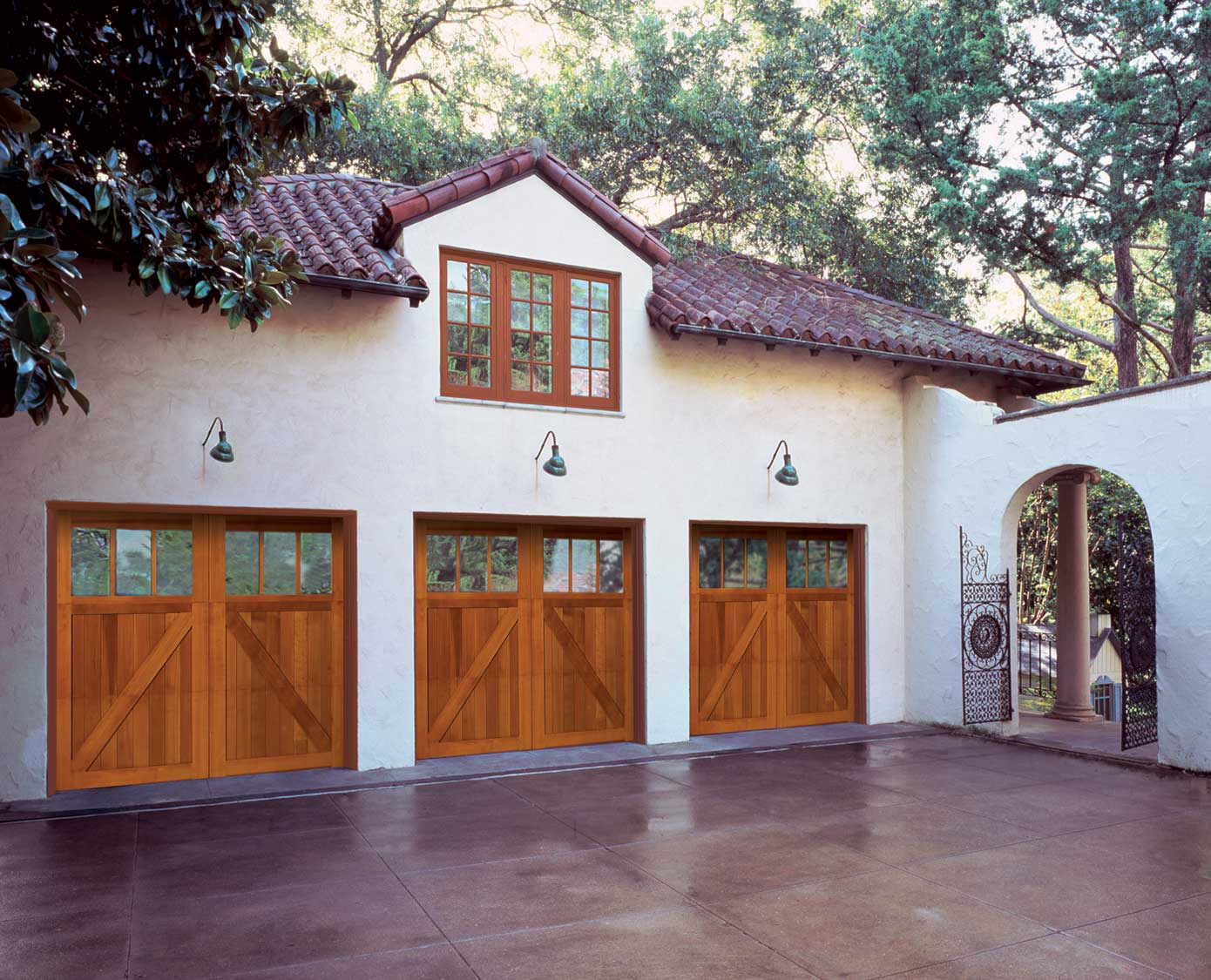
For homeowners looking to match a specific architectural style or neighborhood aesthetic, decorative grilles, simulated divided lites, and specialty patterns can be combined with impact-rated glazing. Eden Coast doors replicate real wood for a streamlined aesthetic. These options work well with custom wood doors and high-end carriage house designs, allowing you to maintain your home’s aesthetic while adding a layer of storm and security protection.

How Impact-Rated Glass Differs from Standard Glass and Wind-Load Doors
Many homeowners assume that a strong garage door automatically has strong glass. In practice, the glass and the door are rated separately, and the type of glass you choose makes a real difference during severe storms.
According to DASMA’s Technical Data Sheet #158, different glazing types behave very differently when struck:
- Standard annealed or tempered glass in standard garage doors shatters on hard impact. Tempered glass breaks into smaller pieces, which is safer than annealed glass, but the glass can still fall out of the frame, leaving the opening exposed to wind and rain. Improperly secured standard glass can lead to rapid pressurization during a storm.
- Laminated / impact-rated glass may crack on the surface, but the plastic interlayer keeps fragments adhered together, helping the glass stay in the frame. Impact-resistant glazing helps maintain a building’s sealed envelope during storms. Impact-rated glass prevents wind and rain from entering during severe weather events.
- Non-glass glazing materials such as polycarbonate are highly impact resistant and lightweight but may scratch more easily and can yellow with sun exposure over time.
Here is how the two main ratings differ:
- Wind load rated means the garage door and its hardware have been tested to withstand specific positive and negative wind pressures. DASMA, the industry association for garage door manufacturers, publishes wind performance guidance that helps manufacturers and installers determine the right design pressure for a given wind zone. Wind load-rated doors withstand specific positive and negative pressures, but this does not address debris strikes.
- Impact rated refers to how the glass or glazing performs when struck by flying debris carried by wind. Impact doors must be tested for wind load compliance and debris resistance. Impact-rated doors can stop a 9 lb. 2×4 at 50 feet per second. This testing involves cyclic wind pressure and projectile impacts, which is a separate and additional evaluation beyond static pressure tests.
A door can be wind-load-tested but not have impact-rated glass. It can also have impact-rated glass placed into a door that is not fully engineered for high design pressures. A complete garage door assembly must meet design-pressure ratings for local wind conditions. Homeowners who want both pressure and impact protection should choose a coordinated system. Overhead Door Company of Madison can help specify the right combination for your property.
Why Impact-Rated Garage Door Glass Matters in Wisconsin
Madison and Dane County are not hurricane prone regions, but Wisconsin faces its own severe weather risks. Summer thunderstorms regularly produce hail, strong straight-line winds, and occasionally tornadoes that send debris flying into garage doors and other large openings.
According to DASMA’s Technical Data Sheet #191, which addresses sectional garage doors and tornadoes, garage doors are large openings that are vulnerable to wind pressure during extreme weather. When a garage door fails during a severe wind event, it can compromise the building envelope, creating uncontrolled buildup of internal pressure that can cause catastrophic damage to the roof and walls. 80% of hurricane wind damage starts with garage door failure, and the same principle applies during straight-line wind events and tornadoes.
Wisconsin and Dane County do not generally require impact-rated garage door glass by code. This is an optional layer of protection, not a legal mandate.
Here is what Madison-area homeowners and business owners face:
- Summer thunderstorms producing hail that can crack or shatter standard glass in garage doors.
- Heavy winds driving small debris such as tree branches, roof shingles, or loose objects into door openings.
- Occasional tornadoes (typically EF-0 to EF-2) that produce wind-borne debris capable of breaching standard glass panels.
Impact-rated glass can reduce the chance of glass fragments entering the garage during storms. It helps keep the garage opening sealed, which supports the structural integrity of the rest of the building. Reinforced garage doors help prevent water damage during storms by keeping the opening intact. Impact garage doors prevent 80% of hurricane damage from wind entry, a benefit that applies to any high-wind event, not just hurricanes.
This is about peace of mind and resilience, not legal compliance. For properties in open terrain, on hilltops, or surrounded by wooded areas with scattered obstructions, the added protection can be a significant improvement over standard glass.

What Overhead Door Company of Madison Offers
Understanding impact-rated glass is the first step. Working with a local, experienced dealer makes the difference between a well-engineered system and an incomplete upgrade.
Based on the “Designed to Protect Your Family and Property” section of the Overhead Door Company of Madison homepage:
- Overhead Door Company of Madison offers wind-load options that are designed to meet building-code requirements in high-wind areas.
- Door systems are available in wood, steel, and premium insulated options with impact-rated glass, providing the strength and security your family and property deserve.
- Some wind-load and impact-rated solutions may qualify homeowners for certain insurance discounts, though this varies by carrier and policy.
The main product families relevant to impact-rated glass projects include:
- Modern aluminum and glass garage doors with optional impact-rated glass for a contemporary, full-view look.
- Insulated Thermacore® steel doors that can incorporate impact-rated glass lites for a balance of energy efficiency and protection. Hurricane-rated doors reduce energy costs due to added insulation.
- Custom wood or carriage house doors that can be designed with impact-rated glass segments to match any architectural style.
Services that matter for impact-rated glass projects:
- Professional measurement and specification to match wind load needs and opening size.
- Factory-trained installation to keep the impact-rated glass and door system performing as tested. Hurricane-rated doors require professional installation for safety. Proper installation of impact glass is essential for maximizing safety and durability.
- 24/7 emergency repair for storm damage and broken glass incidents.
- Preventive inspections to catch worn seals, cracked lites, or hardware issues early. Regular maintenance is crucial for optimal door performance.

Key Features to Look For in Impact-Rated Garage Door Glass
Choosing impact-rated glass is not just about picking the strongest option. These features affect performance, comfort, and the overall look of your garage door.
Verified Impact and Wind Performance Testing
Ask for documentation showing how the glass was tested for impact resistance. DASMA, the industry association for garage door manufacturers, publishes standards and technical guidance that define what “impact rated” means. Look for wind-load ratings or design pressures for the whole door, especially on wide garage doors that face more wind exposure. Do not confuse marketing language with tested ratings. Impact garage doors can withstand winds up to 200 mph, but only when properly tested and certified. Installing certified impact-resistant systems ensures compliance with local building codes. Overhead Door Company of Madison can help interpret these ratings for Madison-area homes and commercial buildings.
Insulation and Energy Efficiency
Insulated door sections, like Thermacore® models, help keep garages more comfortable and reduce heat loss during Wisconsin winters. Impact-rated glass units can be configured as insulated glass (double pane) to reduce heat transfer compared to single-pane glass. Energy-efficient garage doors can lower overall insurance costs and reduce energy costs over time. Large areas of glass still lose more heat than solid insulated panels, so your door design should balance views and efficiency based on how you use the garage.
Privacy, Light, and Glare Control
Impact-rated glass comes in several privacy options:
- Clear maximizes natural light and views but offers the least privacy.
- Frosted softens glare and limits visibility from outside while still letting in diffused light.
- Tinted reduces glare and heat gain, which helps if the garage is used as a workshop or gym.
- Obscure blocks most detail while allowing some light through.
Each option affects daytime privacy from the street, the amount of natural light in the garage, and glare levels. Placing window lites higher in the door adds security and privacy. Laminated impact glass blocks a high percentage of harmful ultraviolet rays, which also helps protect stored items from sun damage.
Frame Materials and Corrosion Resistance
Impact-rated glass performance depends on the surrounding frame and hardware, not just the glass itself. Common frame types include:
- Aluminum full-view frames offer a modern design with strong rust resistance.
- Steel-framed sections with glass inserts suit more traditional styles and pair well with insulated panels.
- Wood doors with impact glass offer the most custom design flexibility but require more maintenance.
For Wisconsin conditions, protection from road salt spray in winter matters. Quality finishes and hardware coatings, including heavy gauge tracks, reduce corrosion and help the door withstand harsh weather conditions year after year.
Maintenance, Repair, and Replacement Considerations
Basic maintenance for impact-rated glass garage doors includes:
- Cleaning glass with non-abrasive products to avoid scratching laminated or coated surfaces.
- Checking seals and gaskets around glass for drafts or water leaks.
- Inspecting frames for dents or damage after storms or hail.
Impact-rated glass can be more complex or costly to replace than standard glass, so professional service is recommended. Thunderous outdoor noises can be dampened by the laminated structure of impact-rated glass, an added comfort benefit. Overhead Door Company of Madison offers repair and replacement for damaged glass and sections.
How to Choose the Right Impact-Rated Glass Garage Door
Knowing the features is helpful, but choosing the right door comes down to a few practical decisions.
- Primary goal: looks, light, or extra protection? If modern curb appeal is the priority, a full-view aluminum door with impact glass garage doors delivers a sleek design and maximum visibility. Impact glass garage doors enhance curb appeal with modern design. If storm protection is the main driver, even traditional steel doors with small impact-rated glass inserts are a significant improvement over standard glass.
- Home or business location and exposure: Properties on open lots, hilltops, or near busy roads and trees face more risk from wind-borne debris. Urban and suburban areas with numerous closely spaced obstructions provide more natural shielding than open terrain. Your geographic region and specific exposure category (such as exposure B for suburban areas or exposure C for open terrain with scattered obstructions) affect the wind pressures your door should handle.
- Insulation and year-round use of the garage: Attached heated garages, workshops, and hobby spaces usually justify insulated doors paired with insulated impact glass units. Added insulation keeps energy costs lower and makes the garage more comfortable in every season.
- Privacy and security needs: Consider how much of the interior you want visible from the street. Glass placement and finish can limit sightlines while still letting in light. Impact-rated glass enhances home security by resisting forced entry, adding a layer of protection beyond storm resistance. Impact garage doors enhance home security against intruders.
- Budget and long-term value: Impact-rated glass is typically a premium upgrade over standard garage doors. It can add resale appeal, boost aesthetic appeal, and may contribute to insurance discounts where available. Many insurance providers offer discounts for homes with certified storm-protection products. Weigh the upfront cost against long-term value and reduced insurance costs.
- Local professional support: Working with Overhead Door Company of Madison means you get help with sizing, code-related questions, and correct installation. Installation must comply with local building codes, and factory-trained technicians ensure the system performs as tested.

Frequently Asked Questions
These are real questions Madison-area homeowners ask about impact-rated garage door glass.
Is impact-rated garage door glass required in Wisconsin?
Wisconsin building codes generally do not require impact-rated glass in residential garage doors. The state’s code references protection of glazed openings in windborne debris regions, but Madison and most of Wisconsin are not designated as high velocity hurricane zones or windborne debris regions under current building code maps. Some local jurisdictions may have wind-load requirements for the whole door, but that is separate from glass impact rating. In the Madison area, impact-rated glass is an optional upgrade for added protection and peace of mind. It is not a legal mandate. If you have questions about specific requirements for your project, Overhead Door Company of Madison can help you interpret any local codes that apply.
What is the difference between wind-rated and impact-rated garage doors?
Wind-rated garage doors are engineered and tested to resist specific wind pressures, both positive (pushing in) and negative (pulling out), as outlined by DASMA and building standards like ASCE 7. Wind load-rated doors withstand specific positive and negative pressures, ensuring the door panels, frame, and hardware hold together under heavy winds. Impact-rated garage doors go a step further. The glass or door system is specially designed and tested to withstand hits from wind-borne debris during severe storms. Impact-rated doors can stop a 9 lb. 2×4 at 50 feet per second, a standard test projectile. A door can be wind-rated without impact-rated glass, and vice versa. Combining both is the perfect solution for homeowners in high wind regions or areas with frequent severe storms. Overhead Door Company of Madison can recommend the right combination for your location and goals.
Will impact-rated glass make my garage door look industrial?
Not at all. Impact-rated glass can be clear, tinted, frosted, or decorative, and often looks identical to standard glass from the street. You can choose divided-lite patterns, carriage-house windows, or full-view modern panels that feel completely residential. Impact glass garage doors enhance curb appeal with modern design, and many Madison homeowners choose them specifically to improve their home’s aesthetic. Whether your house has a traditional, craftsman, or contemporary architectural style, there is an impact-rated option that fits. Schedule a consultation with Overhead Door Company of Madison to review sample photos and glass options in person.
Does impact-rated garage door glass affect energy efficiency?
Impact-rated glass by itself is not automatically insulated. If energy performance is a priority, look for insulated glass units (double-pane or triple-pane) that also carry an impact rating. Combining insulated impact glass with an insulated door, like a Thermacore® model, can improve comfort in attached garages and reduce energy costs during Wisconsin’s cold winters. Hurricane-rated doors reduce energy costs due to added insulation. However, more glass always means more heat transfer than solid insulated sections, so there is a tradeoff between views and efficiency. Share how you use your garage with Overhead Door Company of Madison so they can recommend the right balance of glass, insulation, and protection for your situation.
Is impact-rated glass worth the extra cost if I already have homeowners insurance?
Insurance may help pay for storm damage after the fact, but it does not prevent the disruption, mess, or safety risks that come with shattered glass and a breached garage opening during the next storm. Impact-rated glass can reduce the chance of glass breaking into the garage, help keep the opening sealed, and prevent internal pressure buildup that leads to roof and wall damage. Impact-rated doors prevent internal pressure buildup during storms. Many insurance providers offer discounts for homes with certified storm-protection products, as noted on the Overhead Door Company of Madison homepage. Energy-efficient garage doors can lower overall insurance costs. Check with your carrier to see if impact-rated features qualify you for reduced premiums. Think of impact-rated glass as a resilience and comfort upgrade rather than a mandatory purchase.
Can I retrofit impact-rated glass into my existing garage door?
In some cases, existing doors can be modified with new sections that contain impact-rated glass, but not every older door is a good candidate. Adding heavier glass may affect the door’s balance, springs, and hardware. DASMA warns that spring systems should be recalibrated when adding heavier window units. For the best combination of impact and wind performance, homeowners often choose a new, fully engineered door system rather than retrofitting. A complete garage door assembly must meet design-pressure ratings for local wind conditions, and piecemeal upgrades may not achieve that. Contact Overhead Door Company of Madison for an on-site assessment and a free estimate.
Explore Impact-Rated Glass Options with Overhead Door Company of Madison
Impact-rated garage door glass is an optional upgrade that adds protection, natural light, and curb appeal to Madison-area homes and businesses. Whether your priority is safeguarding your property before the next storm, boosting your home’s aesthetic, or letting more daylight into your workspace, the right combination of glass, insulation, and door style can make a real difference. Consider your exposure, how you use your garage, and the look you want.
Schedule a consultation, request a quote, or visit the Overhead Door Company of Madison website to explore residential and commercial glass garage door options. Professional sizing, factory-trained installation, and ongoing maintenance are the keys to getting the full benefit of impact-rated glass and wind-load-tested doors.