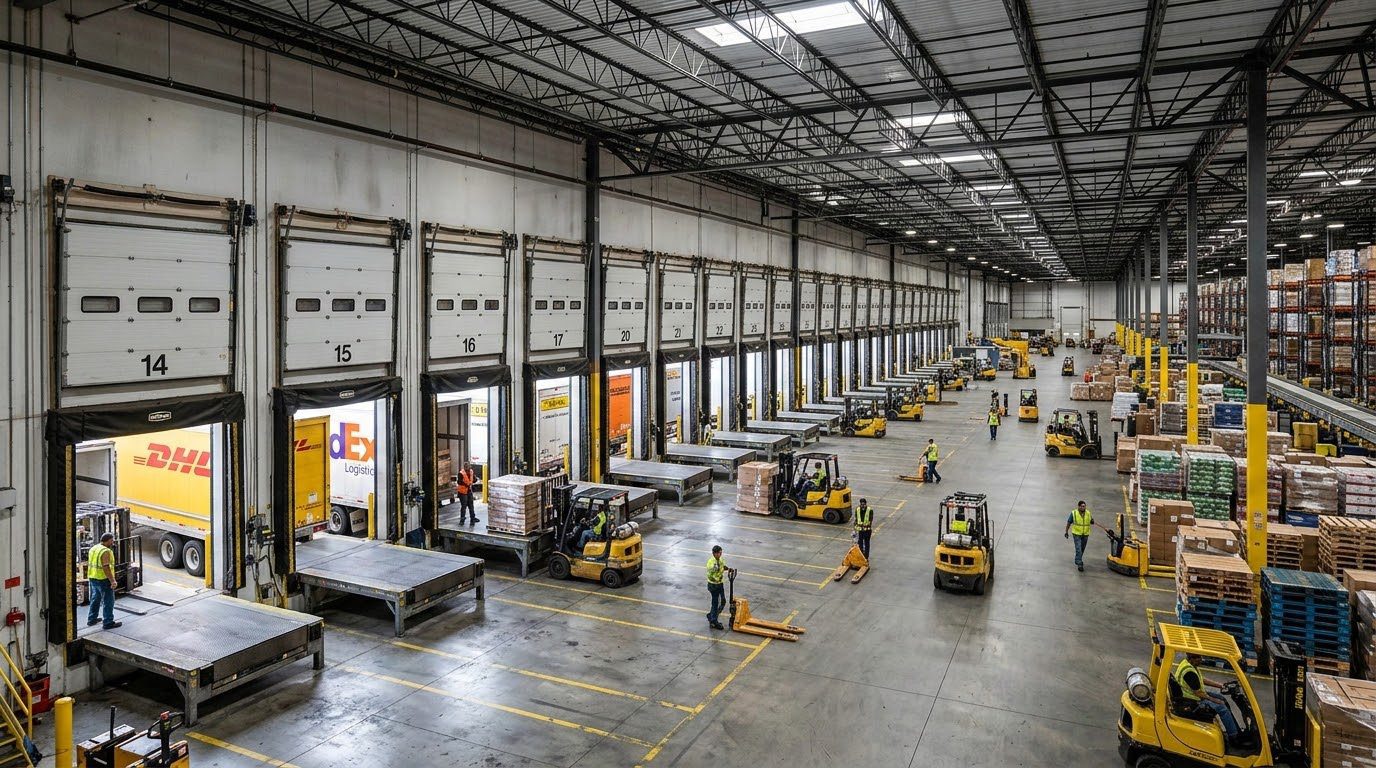

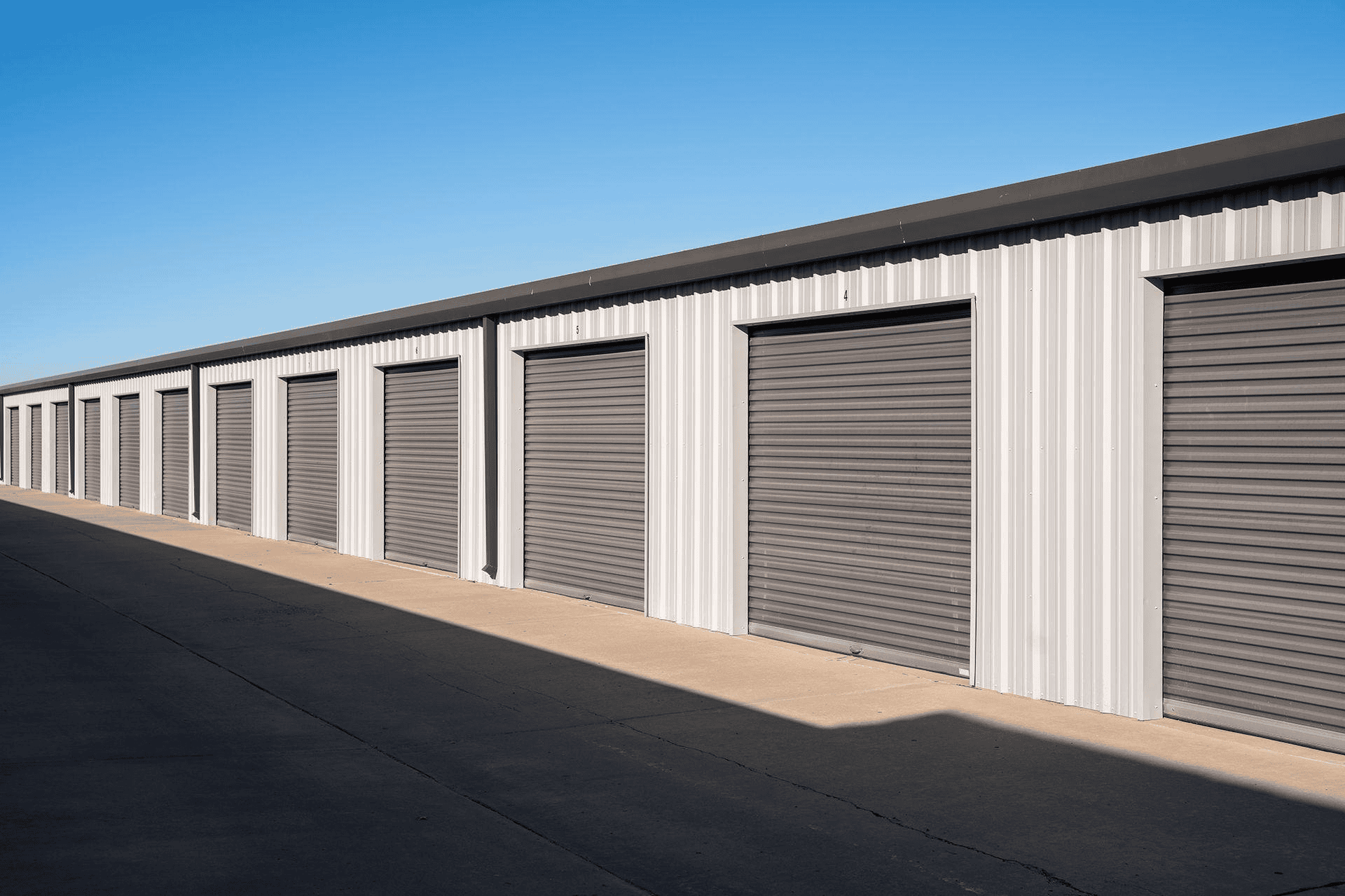
Modern rolling steel doors serve as the primary security layer for self-storage and commercial storage facilities, combining heavy-duty construction with integrated locking, weather resistance, and access control in a single barrier. Here is what facility operators and specifiers need to know.
Key Takeaways
- Rolling steel doors and roll-up doors from Overhead Door are engineered for high daily use, with rolling service doors rated for up to 20,000 open-and-close cycles and still operating reliably across facilities built after 2010.
- Heavy-gauge steel curtains act as physical deterrents against intrusion and vandalism, while upgraded locks, wind load ratings of 20 PSF, and weather seal options directly reduce theft attempts, water damage, and downtime.
- Insulated doors and coiling doors lower energy costs for climate-controlled storage buildings while strengthening perimeter security with added structural rigidity.
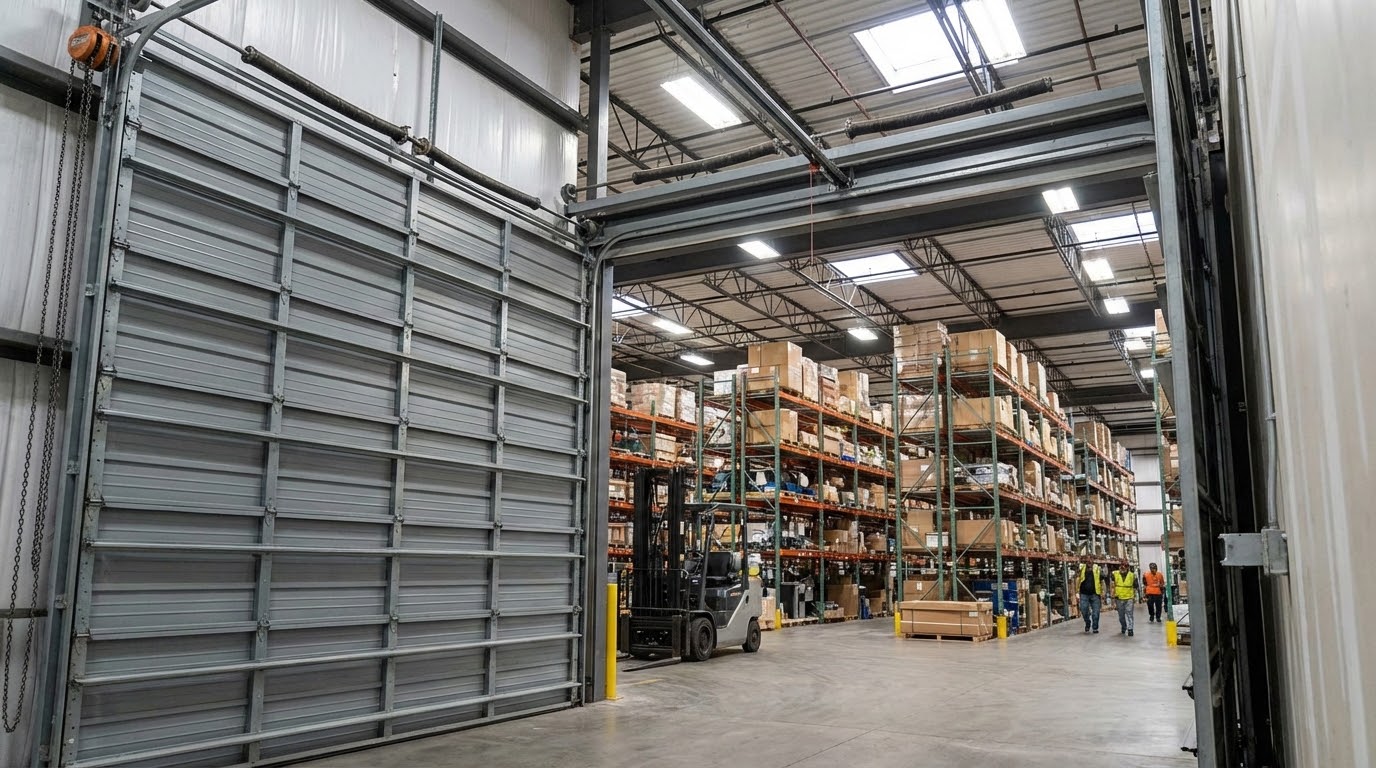
- Rolling doors save space by coiling above the opening, and a compact overhead coil maximizes available interior floor space compared to swing or sectional alternatives.
- Explore Overhead Door rolling service doors as a security upgrade for existing facilities and a baseline standard for new construction.
Why Storage Facilities Rely on Rolling Steel Doors for Security
Self-storage and multi-tenant storage facilities face a unique combination of threats: 24/7 tenant access, remote management with limited on-site staff, and high-value contents ranging from tools and inventory to sensitive files. These conditions make every exterior and interior opening a potential vulnerability. A rolling steel door or rolling service door serves as the primary physical barrier between public drive aisles and individual units-more critical than interior partitions or padlocks alone.
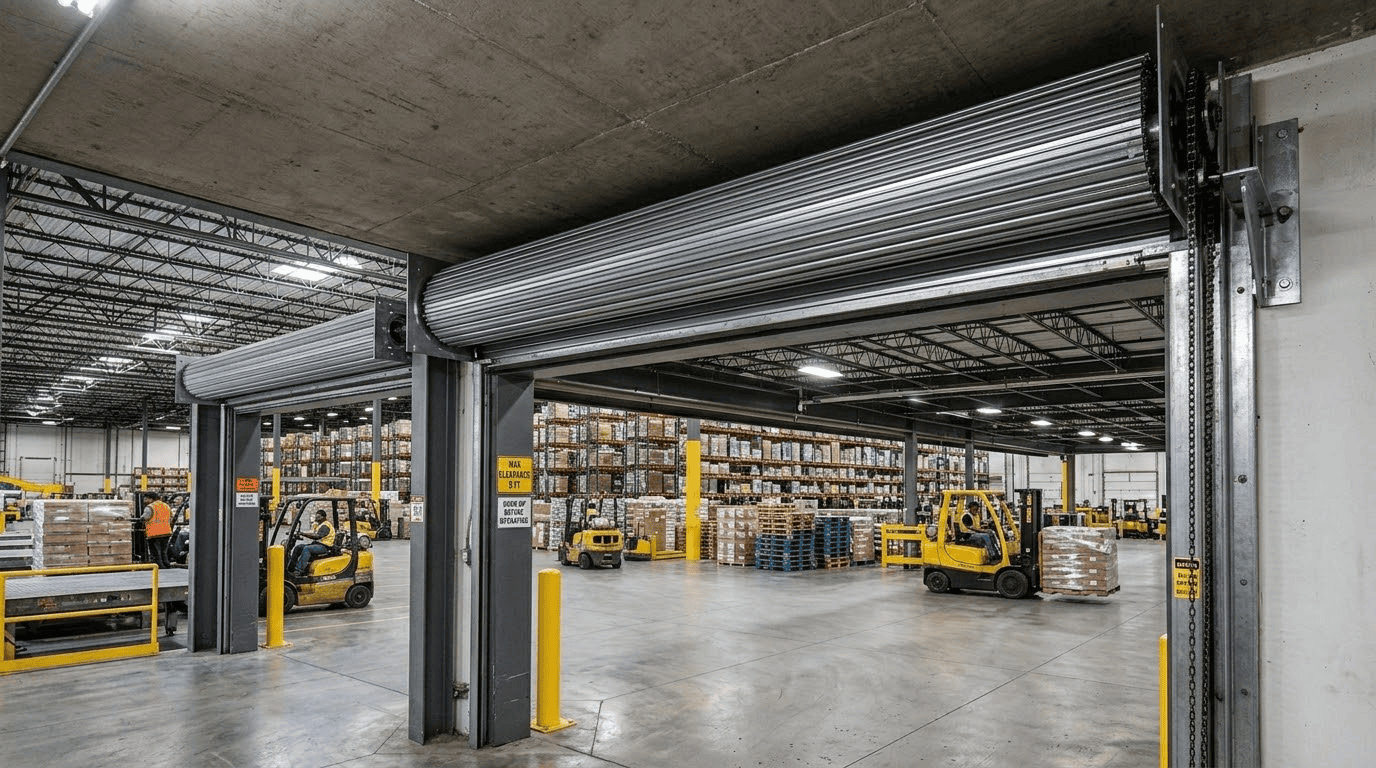
Older swing steel doors and lightweight sheet doors installed in many 1990s-era facilities were designed primarily for convenience, not enhanced security. Today’s commercial-grade roll-up doors use heavier interlocking slats, deeper side guides, and more robust springs engineered for longer service life. Rolling steel doors also conceal merchandise and equipment from view, removing the visual temptation that lighter or windowed alternatives create. They are ideal for delivery docks and parking garages as well as standard drive-up units. Compact storage above the opening helps maximize usable interior floor space in buildings using rolling doors.
Because standardized opening sizes-8×8 ft, 10×10 ft-are common across the industry, operators can upgrade existing openings to heavier-duty rolling steel doors without major structural changes. Storage operators choosing Overhead Door rolling steel doors also gain access to established local service networks for repairs, inspections, and emergency calls.
Core Security Features of Rolling Steel Service Doors
The security performance of a rolling steel door depends on its curtain construction, guides, bottom bar, and locking system working together as a unified barrier.
- Curtain construction: Rolling steel doors are built from heavy-duty galvanized steel, aluminum, or stainless steel. Thickness options for slats include 14, 16, 18, and 20 gauge steel, and the steel gauge and material grade directly affect the security level of the finished door. The interlocking coiling door design resists prying and kick-in attempts far better than panel doors. These doors resist high-impact forces and blunt trauma, and heavy-duty construction protects against forced entry and burglary.
- Side guides and head plates: Deep guide engagement makes it difficult to force the curtain out of the tracks during burglary attempts using pry bars or vehicle impact. A Charlotte-Mecklenburg study found that burglars most often forced doors-not locks-highlighting why guide depth matters.
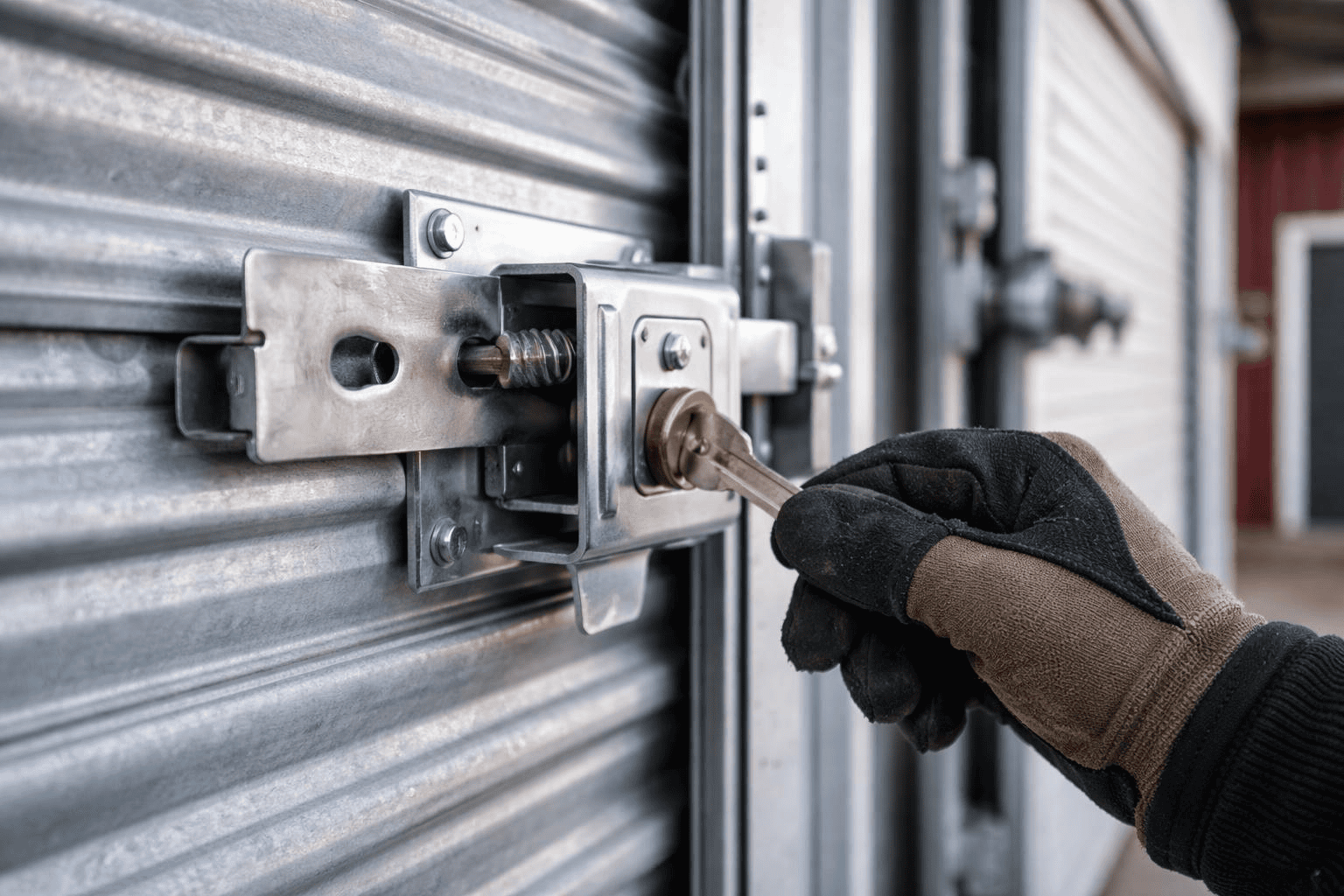
- Locking systems: Modern rolling steel doors feature commercial-grade locking systems including cylinder locks integrated into the bottom bar, slide locks, and provisions for hardened disc padlocks. Tamper-resistant locking mechanisms enhance security, and rolling doors can be customized with multiple locking options. Internal locks on motorized doors remain hidden from tenants.
- Windlocks: Riot-resistant rolling doors can include optional wind locks for security, anchoring slats into guides. Standard rolling doors can withstand operational wind loads of 20 PSF, with forced-entry models rated far higher.
- Finish: A durable powder coat finish on the steel door curtain improves corrosion resistance and signals a well-maintained, closely monitored property to potential intruders.
Weather, Insulation, and Environmental Protection
Security for storage facilities extends beyond theft prevention to protecting stored goods from weather, dust, and pests. Rolling steel doors can include features like weather seals and locks that block rain, wind-blown dust, and rodents from entering units, reducing claims for water damage or infestation.
Insulated doors with foam-filled slats are increasingly specified for climate-controlled storage corridors and drive-through buildings. Insulated rolling steel doors can achieve R-values around 7.7, stabilizing interior temperatures, reducing HVAC load, and preventing condensation on metal surfaces and stored contents. The added rigidity of insulated slat doors also slightly improves resistance to denting and forced entry compared to non-insulated roll-up doors.
Many rolling steel doors are available with fire ratings and can automatically close in fires, serving double duty as fire doors in corridor and wall separation applications. Overhead Door can pair weather seals, insulated rolling steel doors, and matching perimeter details-hoods, trim, and proper thresholds-for a complete environmental barrier across every exterior opening.
Access Control, Automation, and Operational Safety
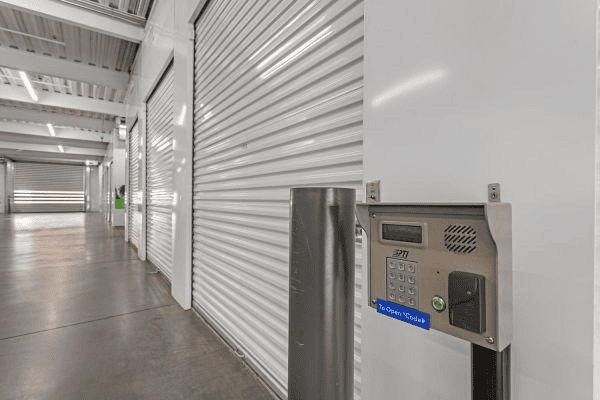
Modern storage facilities frequently combine rolling doors with electronic access control systems to manage who can open which door and when. Rolling steel doors can be integrated with automated access controls, and access control systems can limit who opens secured areas in commercial properties. Motorized rolling service doors at main entrances, interior corridors, and loading bays can be tied into keypad, key card, or Bluetooth systems, logging each opening and closing event for remote facility management.
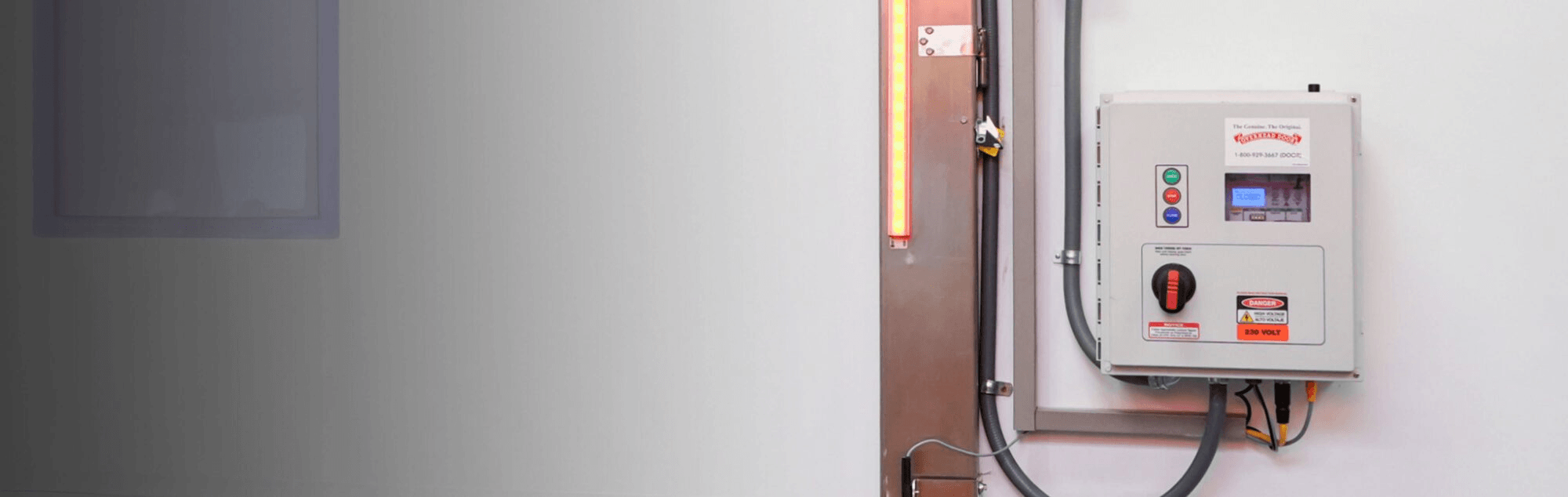
Side folding grilles and security doors at interior lobbies or elevator cores separate customer areas from staff-only zones while still allowing air circulation and visibility. Rolling steel doors maximize safety for commercial properties when paired with entrapment protection devices that stop doors from closing on objects, including the SafetyGard UL325 Light Curtain that prevents damage in the door’s pathway. Riot-resistant doors can include guard rails for added security at ground-level openings. High cycle springs can withstand up to 100,000 cycles, supporting motor operation on busy entrance doors without frequent replacement.
Timer modules and programmable controllers allow operators to schedule doors to close automatically after business hours, ensuring critical access points are never accidentally left open. Overhead Door can match door control packages to existing gate systems for seamless tenant access.
Design, Branding, and Tenant Confidence
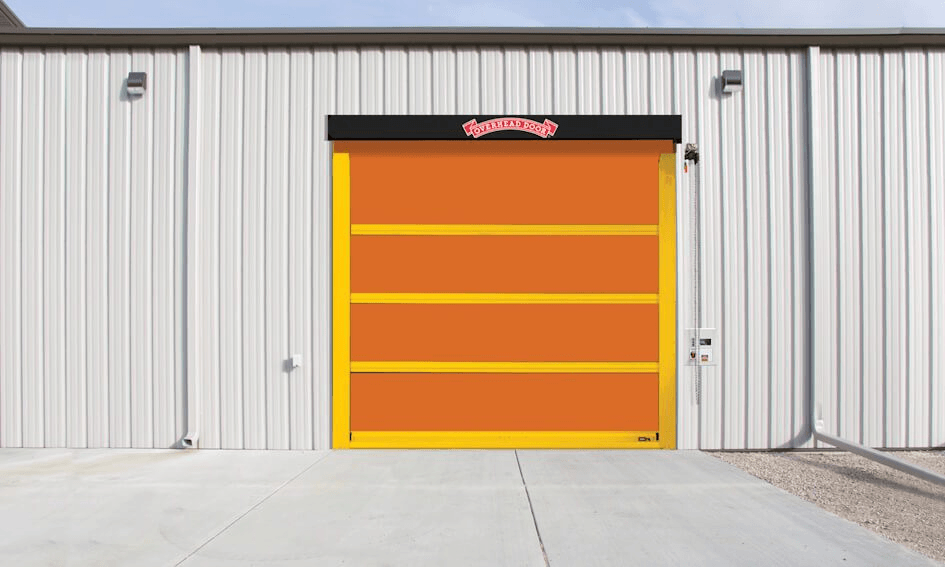
Neat, uniform rolling steel doors make a facility look well-run, which discourages casual theft and vandalism. Rolling steel doors can be customized with over 180 powder coat colors-including options like dark bronze anodized and clear anodized finishes-allowing property owners to align roll-up door colors with brand palettes or wayfinding systems. Custom slats can include one- or two-way windows for visual access and natural light in select coiling doors at drive-through corridors, balancing security with supervision.
Rolling doors can be built to order based on specific design requirements, offering design flexibility for both residential and commercial settings. This makes them a perfect choice for retail stores, warehouses, and industrial applications alike. Clearly marked, well-lit roll-up doors on primary access points improve customer confidence at night and make video surveillance more effective. Consistent use of high-quality rolling steel across new buildings and expansions helps operators present a unified appearance even when phases were constructed years apart.
Choosing the Right Rolling Steel Door for Your Storage Facility
Storage operators must balance security, budget, and long-term maintenance when selecting rolling steel doors for new builds or retrofits. Selecting the right door involves considering fire ratings and daily cycles alongside door size, opening height, interior versus exterior exposure, wind zone, and desired insulation level. Custom rolling doors can be built up to 30 feet wide and high, and commercial roll-up doors can be manufactured up to 30 feet wide, accommodating everything from small push-up interior units to large RV bays and shared loading docks.
Rolling service doors can handle 50,000 open-and-close cycles, making them the ideal choice and perfect solution for high-traffic entrances requiring quiet operation and high durability under daily use. Overhead Door offers a range of rolling steel and roll-up door models-along with side folding security grilles-enabling a unified security strategy across a property. Partnering with a national brand simplifies operations compared to mixing multiple uncoordinated door types from different suppliers across a factory or facility.
Contact an Overhead Door distributor for a site survey and recommendations tailored to your specific facility layout and risk profile.
Maintenance Practices That Preserve Security Performance
Even the best rolling steel door can lose its protection value if springs, locks, and guides are not regularly inspected. High-quality rolling steel doors require minimal maintenance and can last for decades, but only when key tasks are performed consistently:
- Lubricating moving parts and checking spring tension
- Inspecting weather seals along the bottom bar and wall jambs
- Confirming all locking mechanisms engage fully when doors close
- Repairing damage from vehicle impact or attempted forced entry promptly, since gaps or misalignment turn a secure door into a weak point
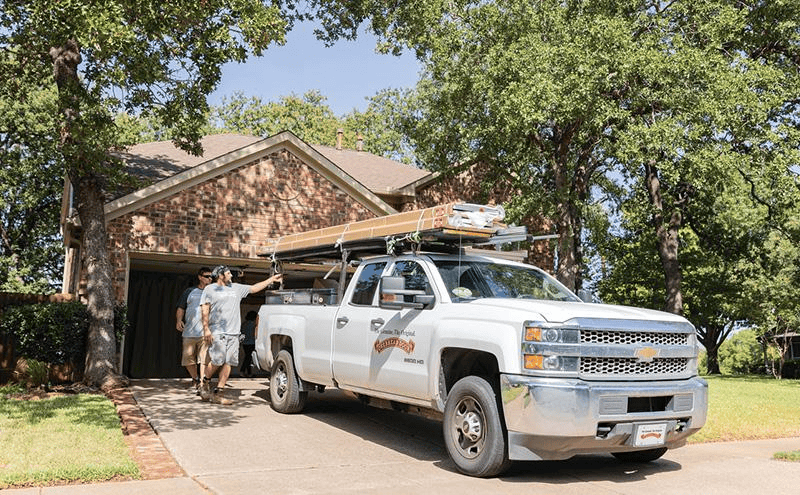
Rolling doors must be professionally installed to ensure long-term performance-and the same applies to repairs. Overhead Door service teams can set up planned maintenance programs for facilities with hundreds of roll-up doors, minimizing downtime and emergency repair calls. Train on-site staff to recognize early warning signs like unusual noises, slower operation, or difficulty latching, and report issues before they become security failures.
FAQ: Rolling Service Doors and Storage Facility Security
Below are common questions storage owners and managers ask when evaluating or upgrading to rolling steel doors.
How are rolling steel doors different from standard roll-up doors used on older storage units?
Many older roll-up doors are lighter sheet doors constructed primarily for convenience, while modern rolling steel doors use heavier interlocking slats made from stainless or galvanized steel, deeper side guides, and more robust springs and bearings to resist forced entry and higher wind loads. Upgrading to commercial-grade rolling steel can often be done within existing jambs and headers, giving a significant security boost without rebuilding the building structure. These custom-built doors are available in materials including galvanized steel and aluminum to suit specific exposure conditions.
Can I retrofit weather seals and insulation on existing rolling doors?
In many cases, bottom bar weather seals and side brush seals can be added to existing rolling steel or roll-up doors to improve weather and dust control, especially for drive-up units built before about 2015. Converting a non-insulated curtain to fully insulated doors usually requires replacing the curtain entirely. Overhead Door professionals can evaluate whether retrofitting or full replacement is the better long-term value for your business.
What security upgrades are available beyond the door itself?
Additional security layers include bollards in front of key openings, guard rails at ground level, high-resolution cameras focused on primary rolling doors, and integration with access control so doors will not open outside authorized hours. Operators should also consider side folding grilles for interior separation, reinforced locks, and tamper-resistant fasteners on exterior coiling doors in higher-risk locations. A hand chain or hand crank backup ensures doors remain operable during power outages.
How often should storage facility rolling doors be inspected?
Heavily used entrance and loading roll-up doors should receive professional inspection at least once a year, with high-cycle doors in busy urban locations reviewed twice yearly. Staff should perform quick visual checks weekly to confirm smooth operation, intact weather seals, and properly engaging locks, reporting any issues to an Overhead Door service technician for prompt resolution.
Are motorized rolling steel doors safe for tenants to use without supervision?
Properly installed motorized rolling service doors equipped with photo eyes, safety edges, and clear push-button controls are designed for safe daily use in storage settings. Safety features like entrapment protection devices and light curtains prevent doors from closing on people or objects. Operators should post simple operating instructions near each control station and ensure that only authorized customers can activate large exterior doors through integrated access control systems.